
Injection Moulding Machine for Pipe End Caps
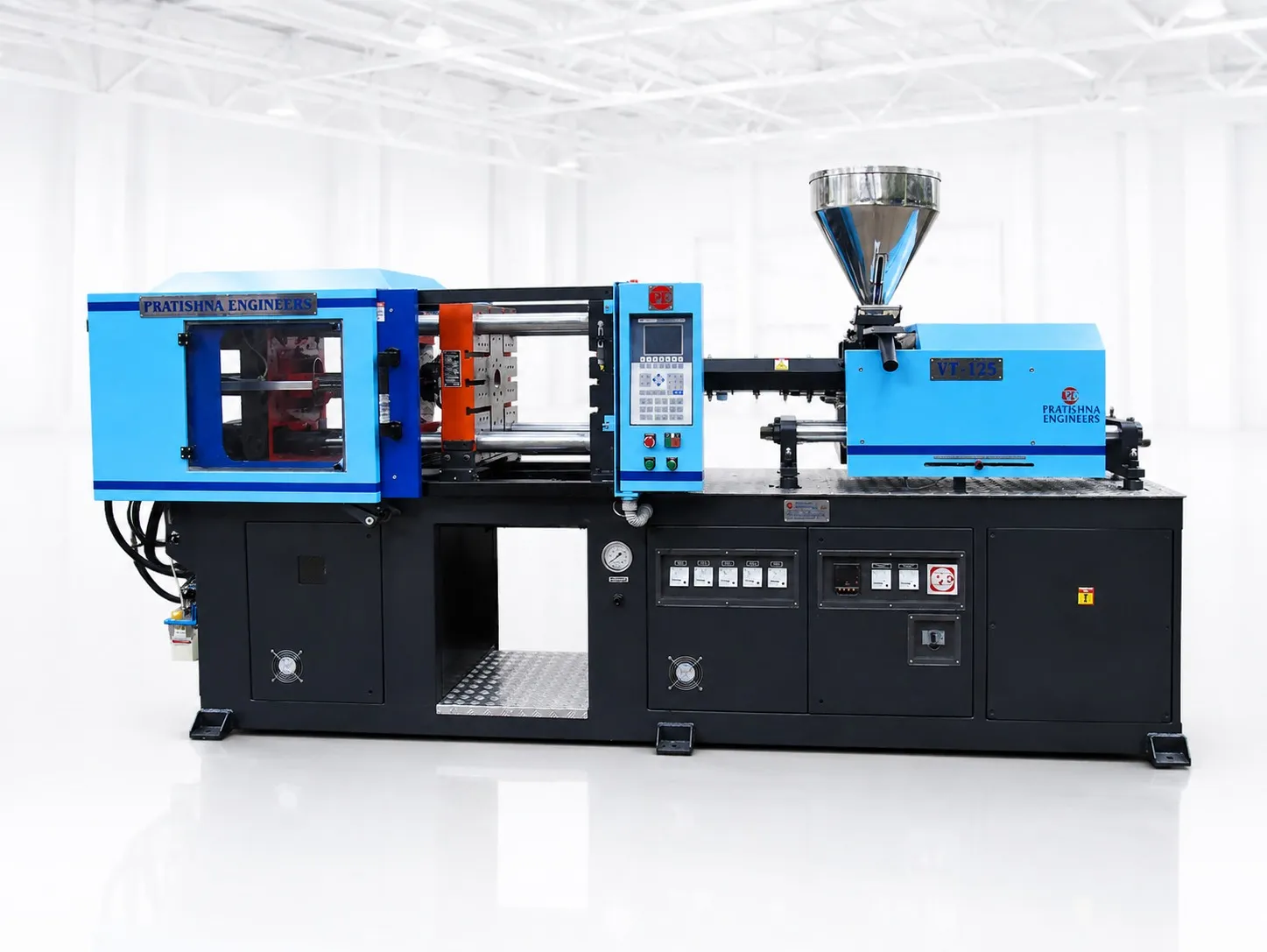
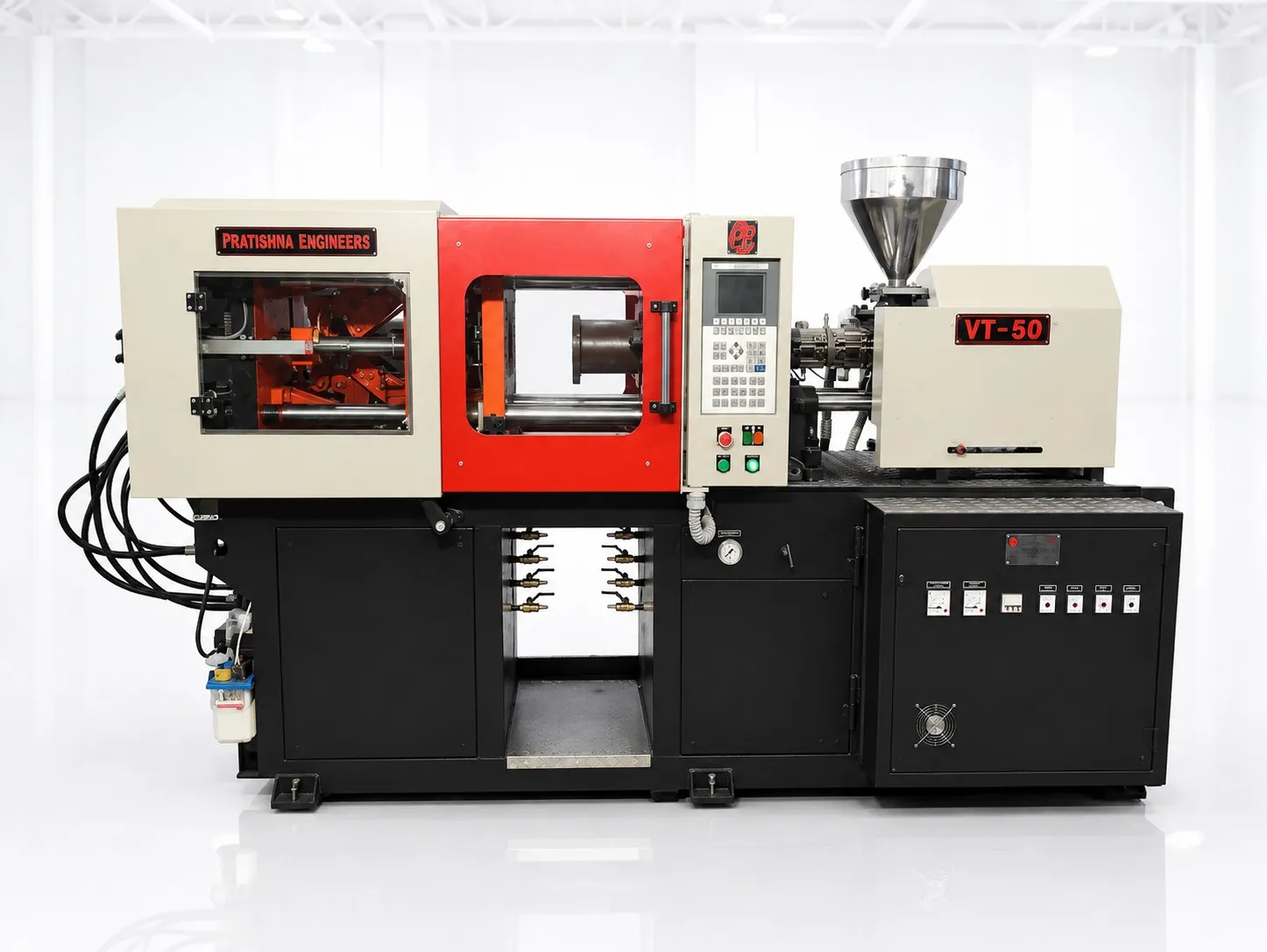
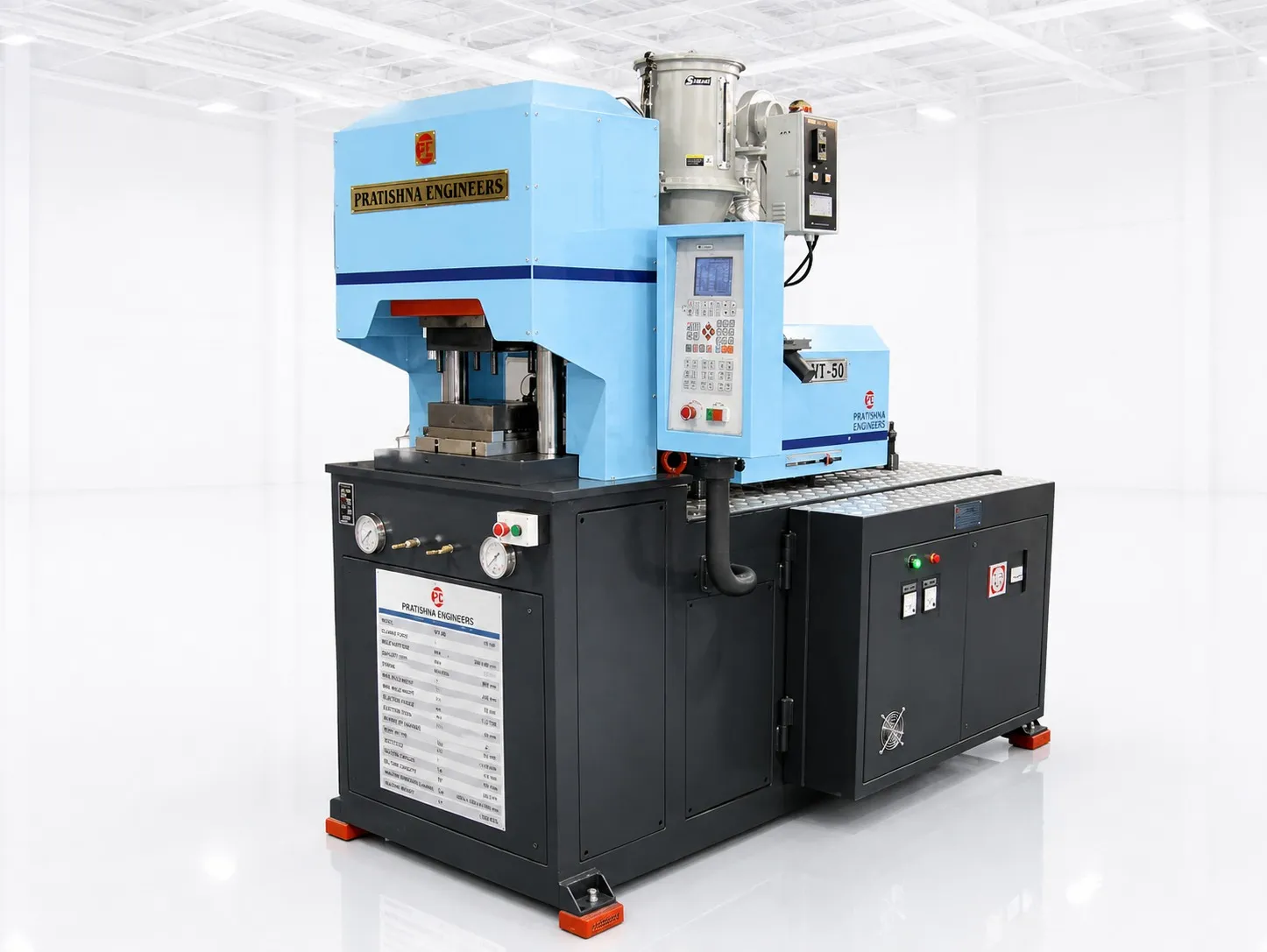
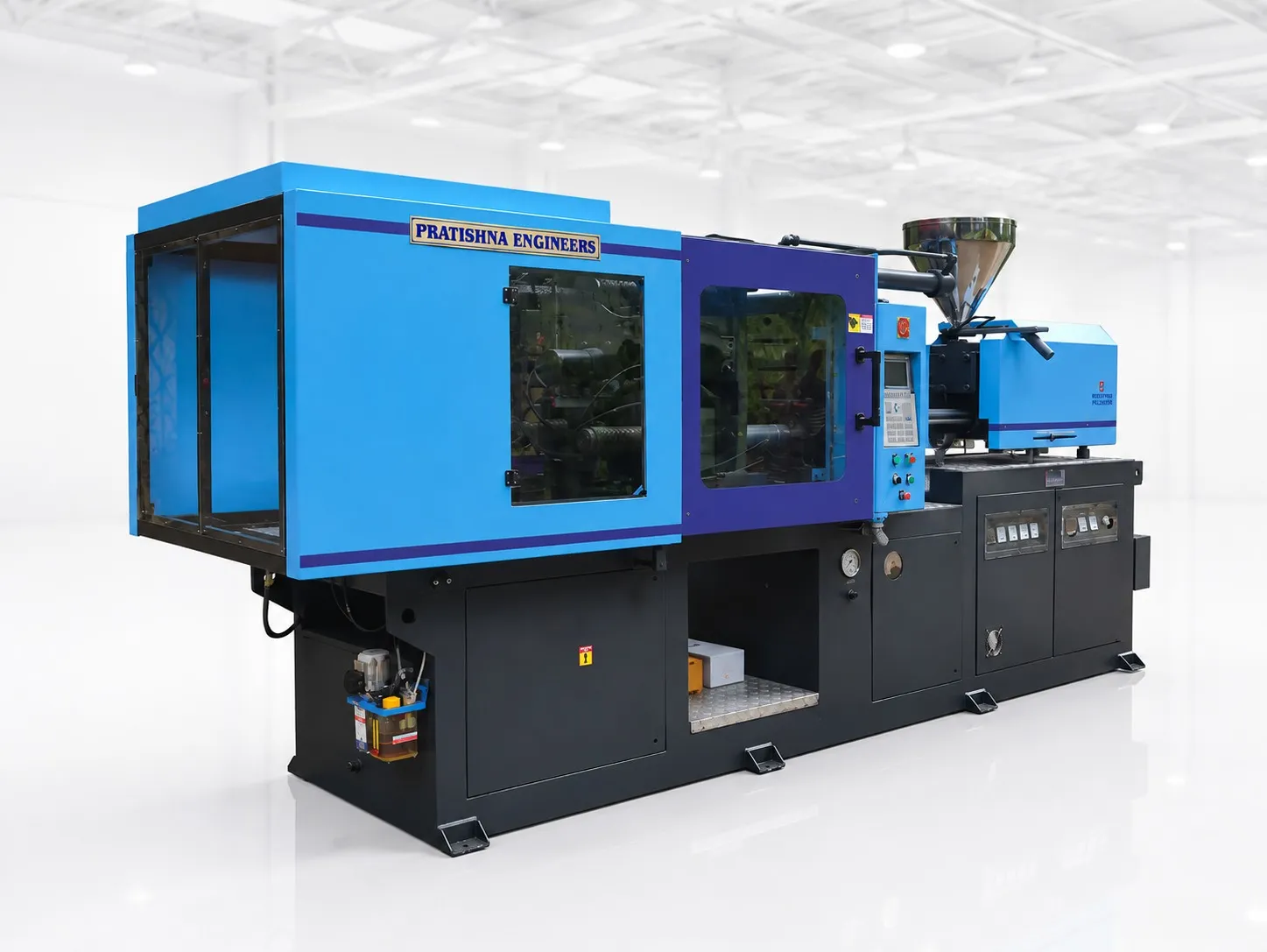
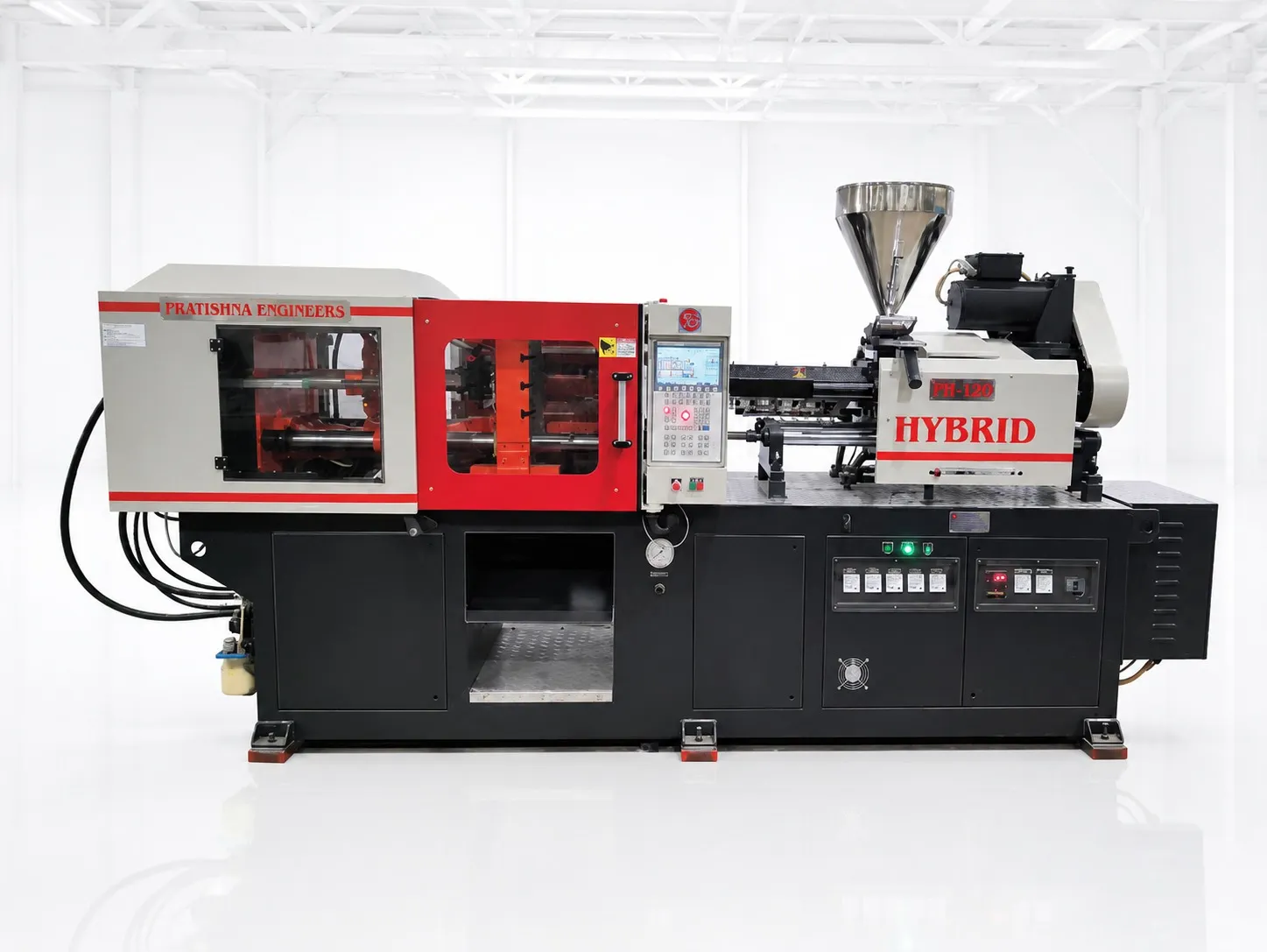
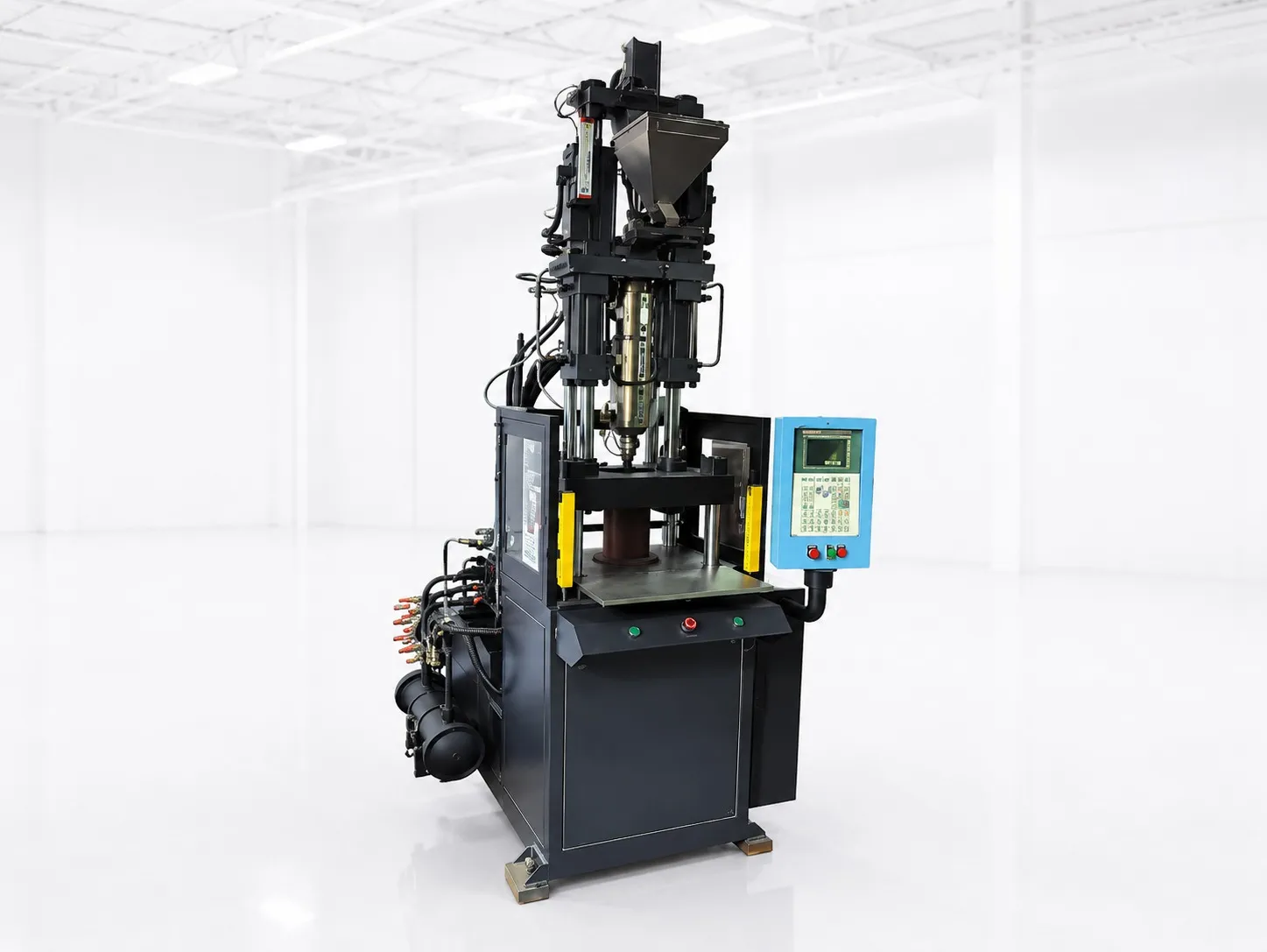
Pipe end caps are made in multi-cavity moulds on horizontal injection moulding machines, from UPVC, CPVC or PP. Cap diameter, cavity count and whether the cap is plain or threaded decide the machine. Ejection needs the most attention: a closed cap holds on its core by vacuum and needs air or stripper release.
For end caps, the focus is on cavity layout, gate position on the closed end and clean ejection without stress marks. Pratishna Engineers supplies horizontal injection moulding machines for end cap production and can propose a configuration for your sizes and material.
Manufacturing Pipe End Caps?
Share your cap sizes, plain or threaded design, material and monthly volume, and Pratishna Engineers will suggest a machine and quotation.
Machine Requirements for Pipe End Cap Moulding
End caps are small and simple, so output and clean release matter more than complex mould actions. Look for:
- Air blow or stripper ejection to break core vacuum
- Centre gating on the closed end for even fill
- Cooling that controls sink on the thick closed face
- Unscrewing mould support for internally threaded caps
- PVC-suited screw for UPVC and CPVC grades
- Clamping force matched to cavity count and cap diameter
Recommended Machine for Pipe End Caps
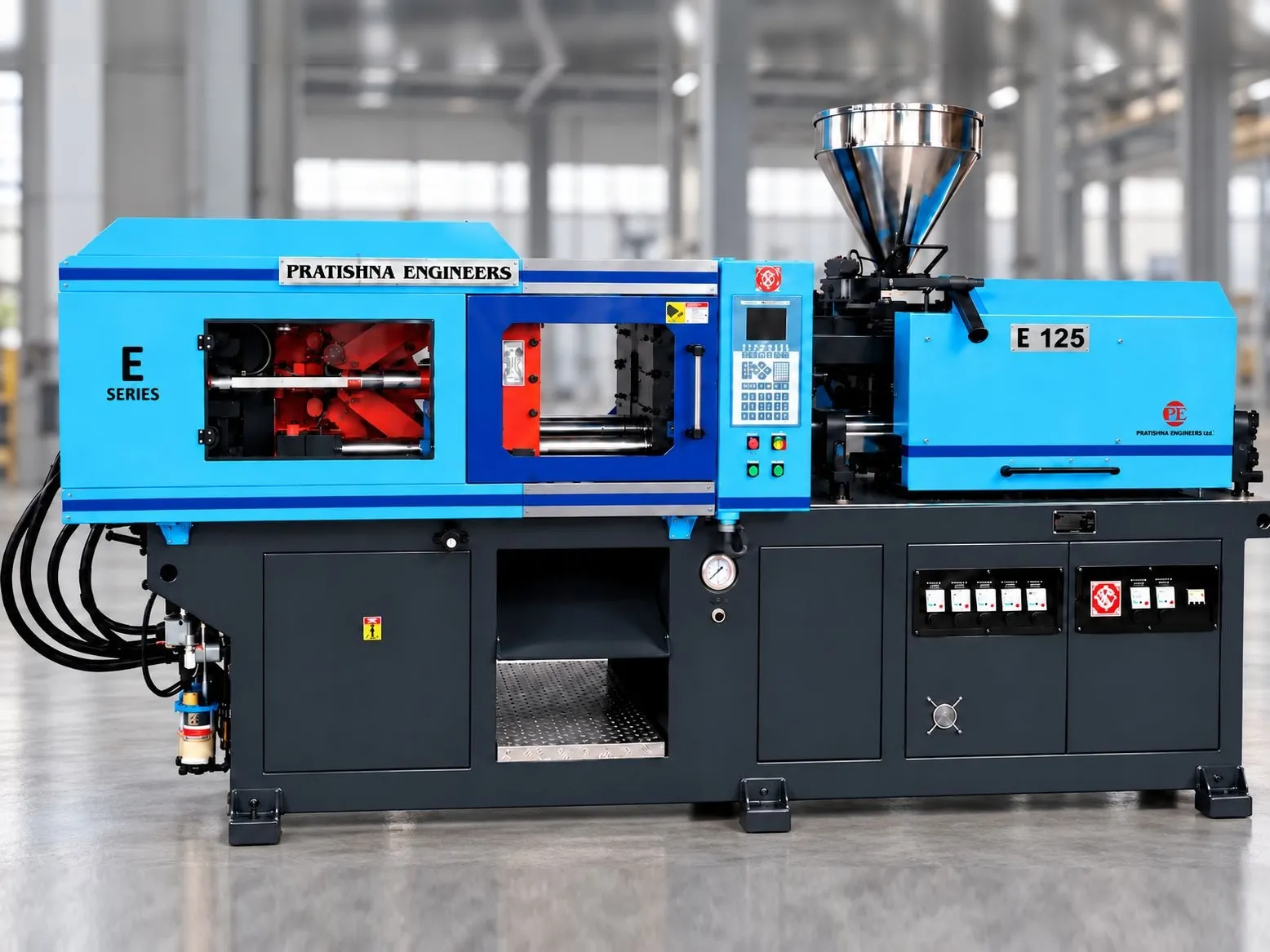
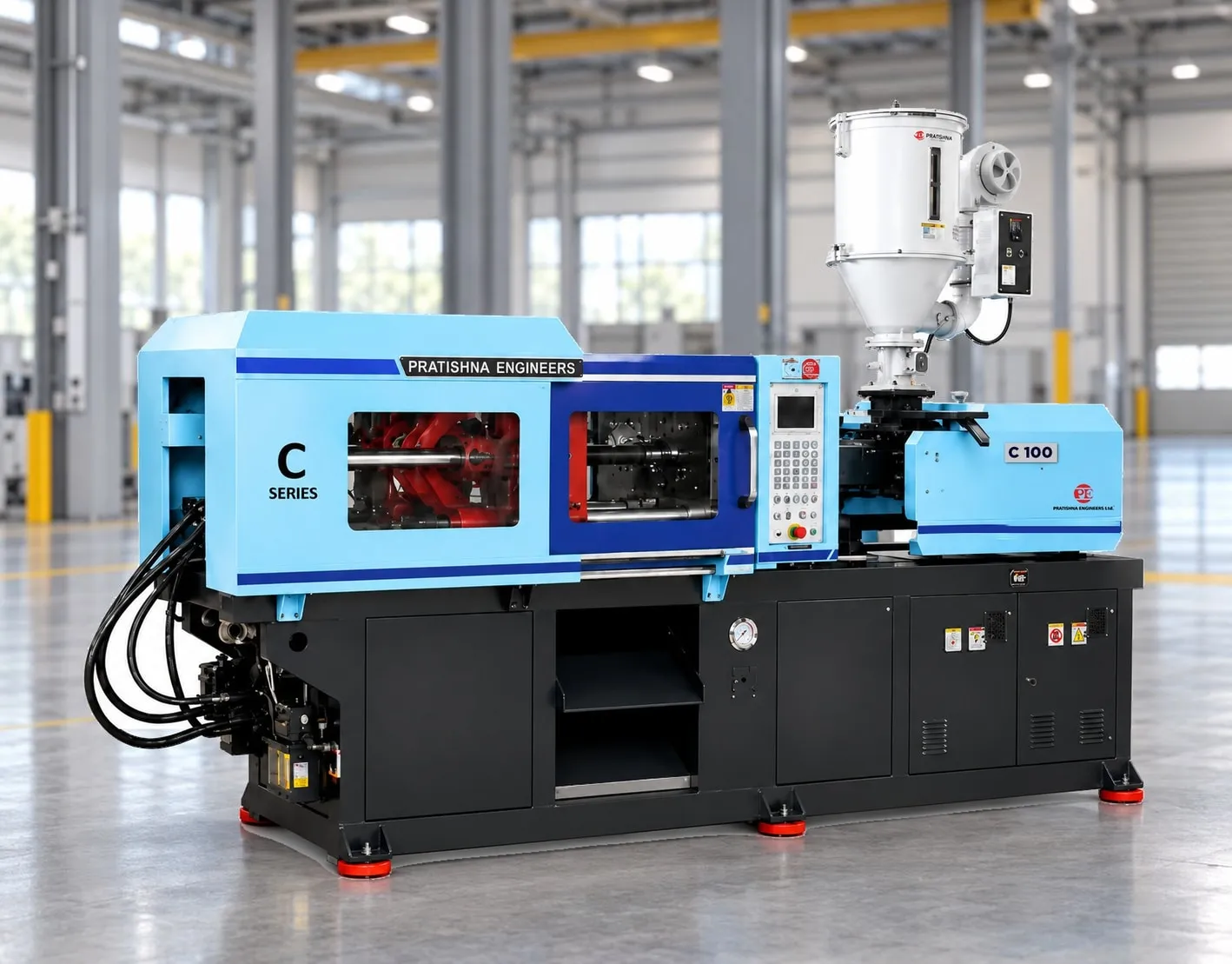
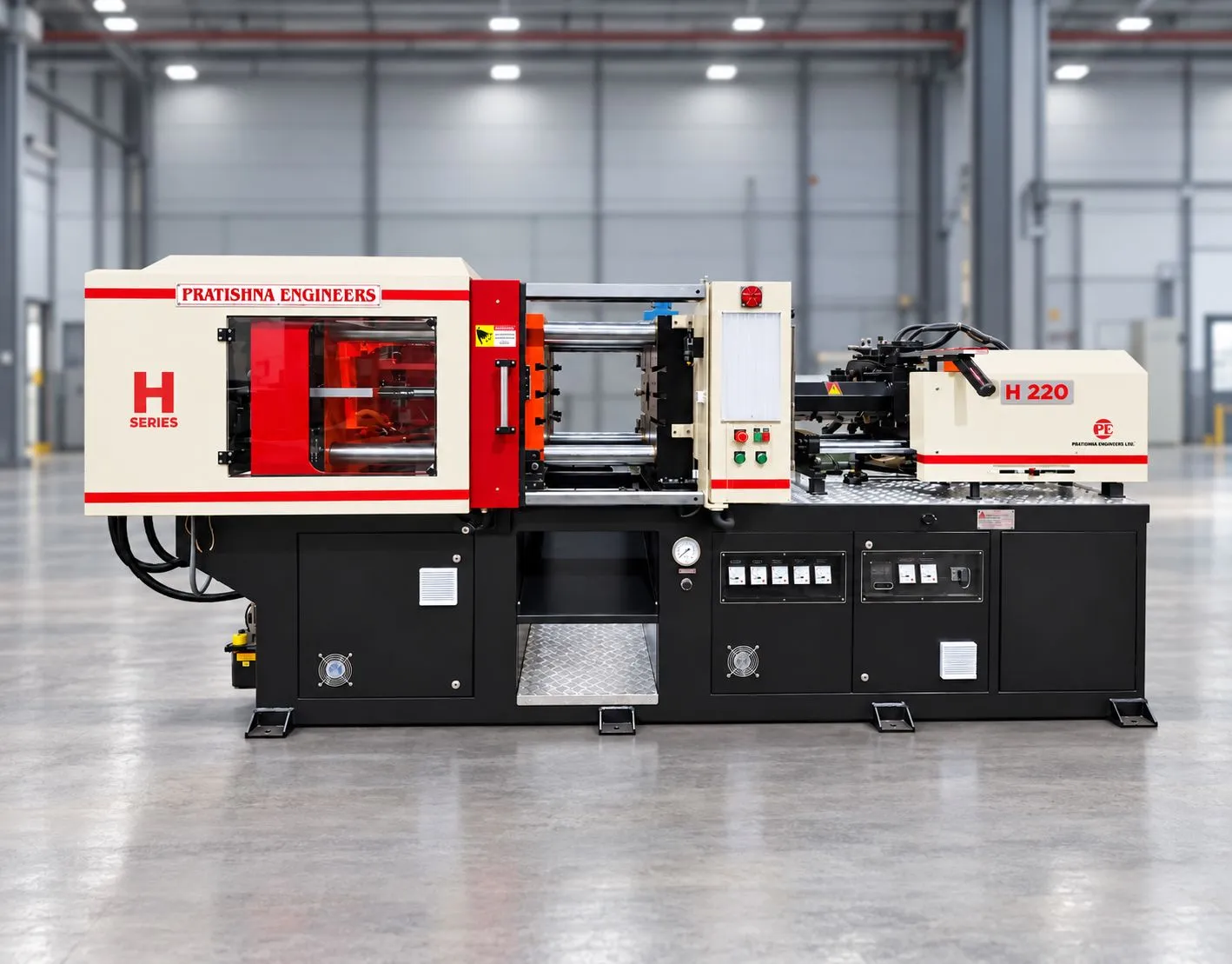
Most end cap moulds, with small diameters in many cavities or mid sizes in fewer, run on the E Series (75-180 T). Larger caps, or high cavity counts that raise projected area and shot weight, step up to the H Series (120-350 T) or C Series (140-320 T). Threaded caps with unscrewing cores also need mould space for the drive.
Not Sure Which Machine You Need?
Tell us your cap sizes and cavity plan for a suitable machine.
Why Choose Pratishna Engineers?
- Application-Based Machine Selection
- In-House Engineering & Manufacturing
- Multiple Machine Series
- Production-Focused Solutions
- End-to-End Technical Support
- Industry-Specific Solutions
- Machine Lifecycle Support
Injection Moulding Machine Buyer Resources
Download practical resources to help you select, size and specify the right machine.
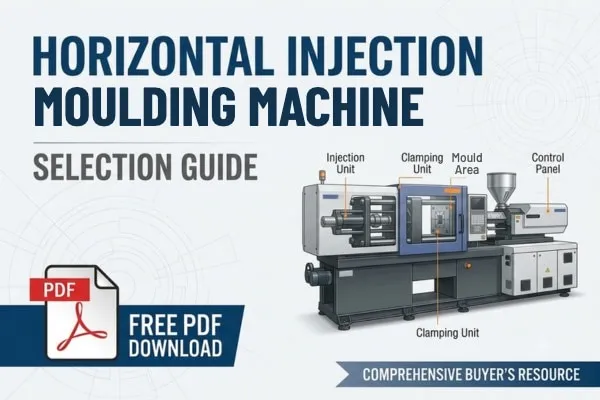
Horizontal Injection Moulding Machine Selection Guide
A step-by-step guide covering the key inputs needed to select the right machine: product weight, projected area, number of cavities, plastic material, required clamping force, shot / injection capacity, mould dimensions, production quantity, cycle time and automation requirement.
Download PDFPDF · 265 KB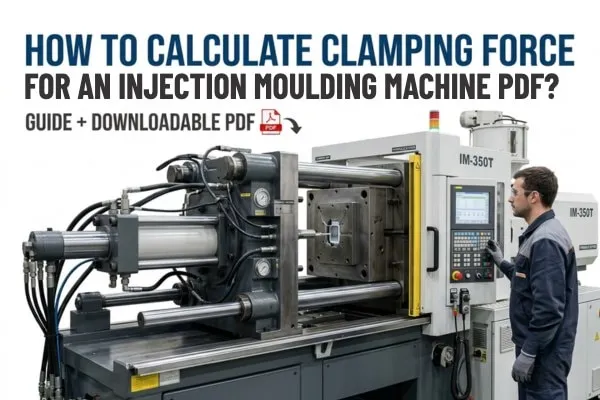
How to Calculate Clamping Force for an Injection Moulding Machine
A clear methodology that explains how clamping force is calculated, covering projected area, injection pressure, safety factor, number of cavities and material considerations.
Download PDFPDF · 363 KBPVC Pipes & Fittings Components & Machine Guide
A guide to PVC Pipes & Fittings components, covering elbows, tees, couplers, valves, end caps, saddles and threaded adaptors. It explains PVC-suited screw and barrel, core pulls and unscrewing moulds, sizing by pipe diameter, and how to match each part to a suitable machine.
Download PDFPDF · 218 KB
FAQs / Buyer Questions
Common questions from end cap makers, answered by our engineers.
Which Injection Moulding Machine Is Used to Make Pipe End Caps?
End caps run on horizontal machines. The E Series covers most sizes, with the C or H Series for large caps or moulds with many cavities. Plain socket caps are the simplest, while threaded caps need unscrewing cores.Can Threaded End Caps Be Moulded on the Same Machine?
Yes. Internal threads are released by an unscrewing core driven by a motor or rack, or by a collapsible core. The machine needs mould space for the mechanism and a hydraulic or electric circuit to run it in sequence.Why Do End Caps Show Sink on the Closed Face?
On many caps the closed end is the thickest section and cools last. Sink appears when holding pressure ends too early or cooling there is weak. Even wall design, a gate at the centre and enough hold time reduce it.
Can End Caps Be Moulded in Different Colours?
They can. Caps are often coloured with masterbatch to match the pipe. Each colour change needs a purge, and PVC compounds are often bought pre-coloured rather than mixed at the machine.Can Pratishna Recommend a Machine for My Pipe End Cap?
Yes. Share the cap drawing or sample, diameters, plain or threaded type, material, part weight, mould size, cavities and target output, and Pratishna Engineers will recommend a suitable machine.Does the Machine Suit Other Pipe and Fitting Parts Too?
The same machines can also run pipe joints, clamp saddles, pipe clips and threaded adaptors, subject to the mould size and actions for each part.
Technical Disclaimer
Disclaimer: The information provided in this webpage is for general informational and educational purposes only. It is based on technical references and industry information available at the time of preparation and may be subject to change. It does not constitute engineering, technical, commercial or professional advice, nor does it constitute a quotation, specification, warranty or contractual commitment by Pratishna Engineers.
Actual injection moulding machine and process requirements vary according to the component design, material, mould, production volume, machine configuration and operating conditions. The information, examples, calculations and recommendations provided should be independently evaluated and verified for the specific application before making any equipment, process or production decision. Information obtained from third-party sources remains subject to the accuracy and limitations of those sources.
Limitation of Liability: Pratishna Engineers makes no representation or warranty, express or implied, regarding the completeness, accuracy or suitability of the information for any particular application. To the extent permitted by applicable law, Pratishna Engineers shall not be liable for any loss, damage, cost or consequence arising from reliance on or use of the information contained in this webpage. Final machine selection, configuration and application suitability should be confirmed with Pratishna Engineers based on complete and accurate project requirements.
Talk to Our Engineers
Planning a New Injection Moulding Project?
Share your component, material, mould and production target. Our engineering team will help you identify the right machine configuration.
- Machine Sales
- +91 99690 38542
- Service Support
- +91 97689 28259
- Sales Email
- [email protected]