
Injection Moulding Machine for Specimen and Urine Containers
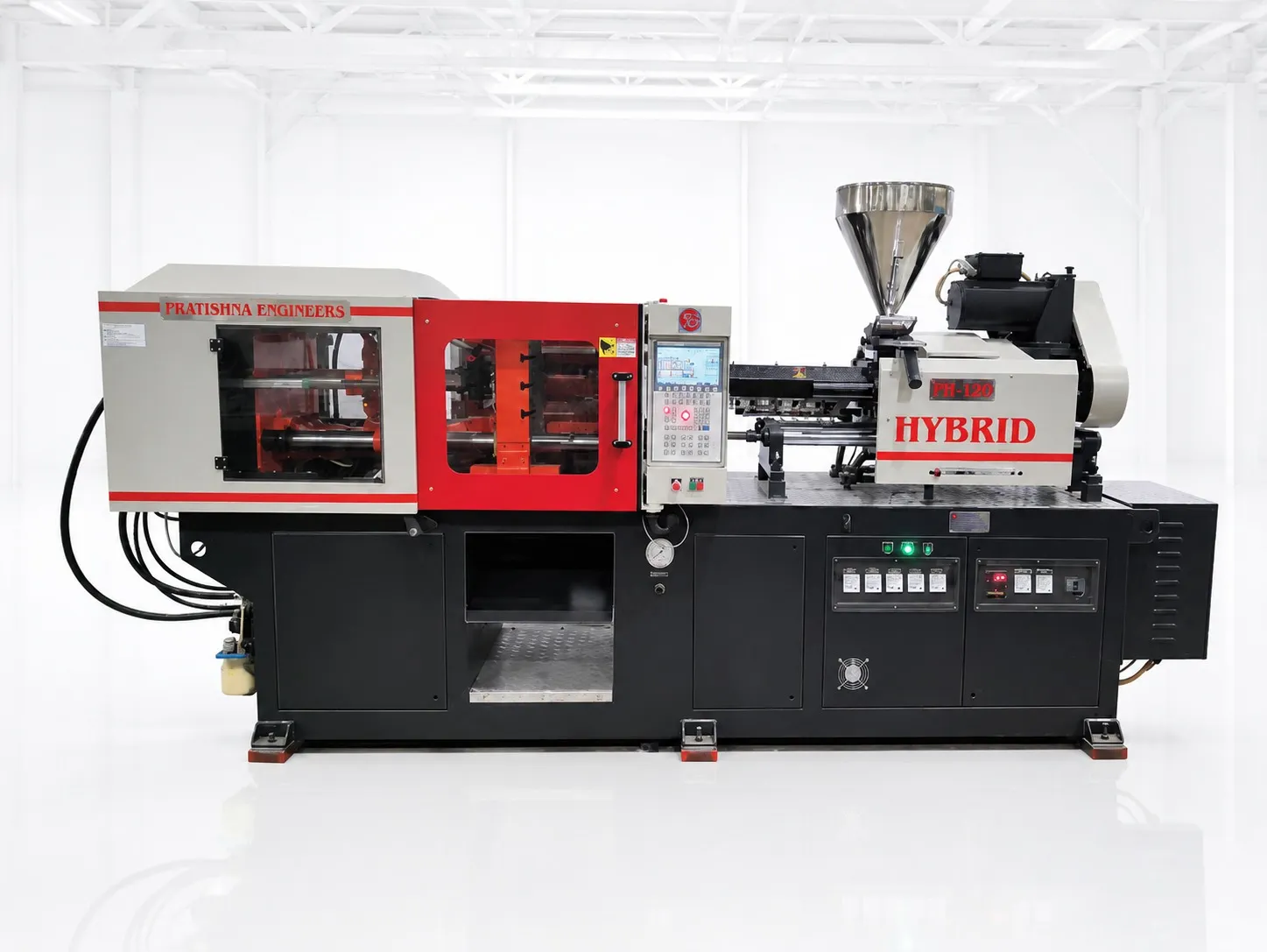
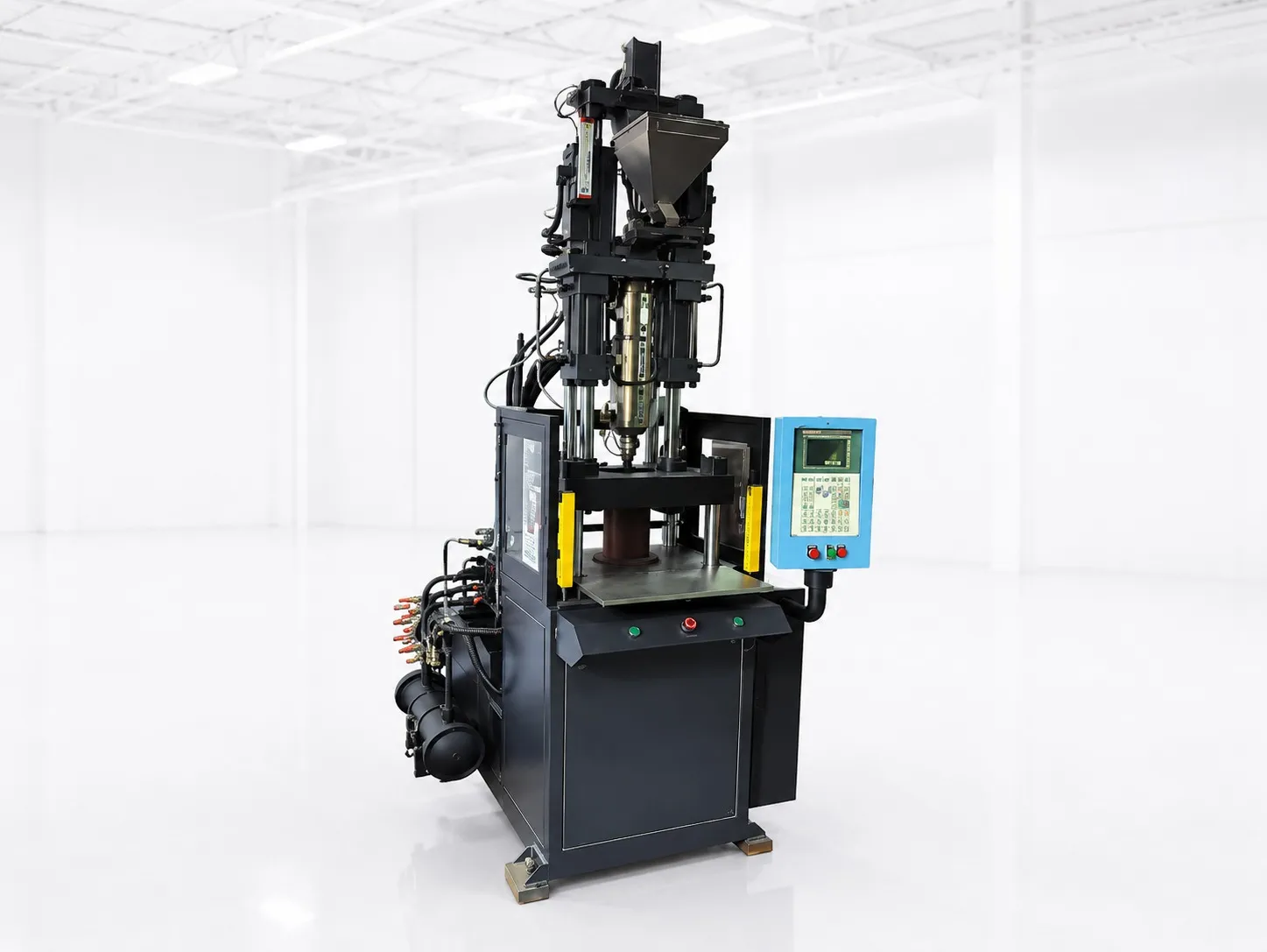
Specimen and urine containers are made on horizontal injection moulding machines, with jar and screw cap in separate multi-cavity moulds, from PP, PS or HDPE. Cavity count and container size set clamp force and shot weight, and jar height sets opening stroke. Thread and sealing-face accuracy matters most, since the closed container must not leak in transport.
Container programmes are planned as pairs of tools, so selection compares jar and cap moulds side by side. Pratishna Engineers can match horizontal injection moulding machines to each tool and advise on a layout, with any clean moulding area for sterile versions specified by you.
Moulding Specimen Containers?
Share your jar and cap drawings, resin and output target, and Pratishna Engineers will recommend machines and quotation.
Machine Requirements for Specimen and Urine Container Moulding
The container and cap work as a sealed pair, so each mould is set up against the other. Selection points:
- Thread and sealing bead formed without flash
- Round jar mouth through balanced core cooling
- Unscrewing or stripping action for internal cap threads
- Clear PS jars where the sample must be seen
- Moulded graduation marks sharp enough to read
- PP grades that tolerate gamma or EtO sterilisation
Recommended Machine for Specimen and Urine Containers
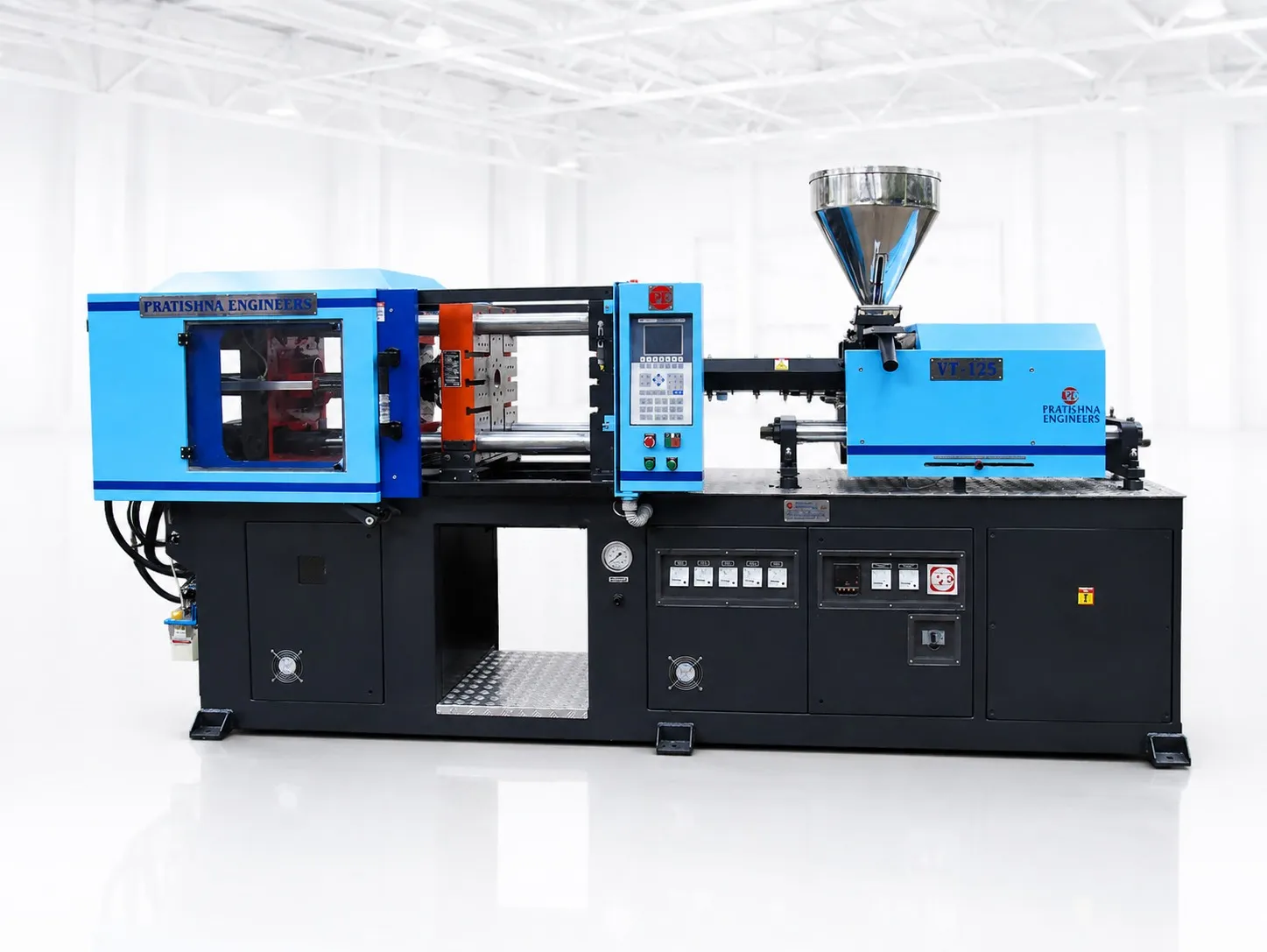
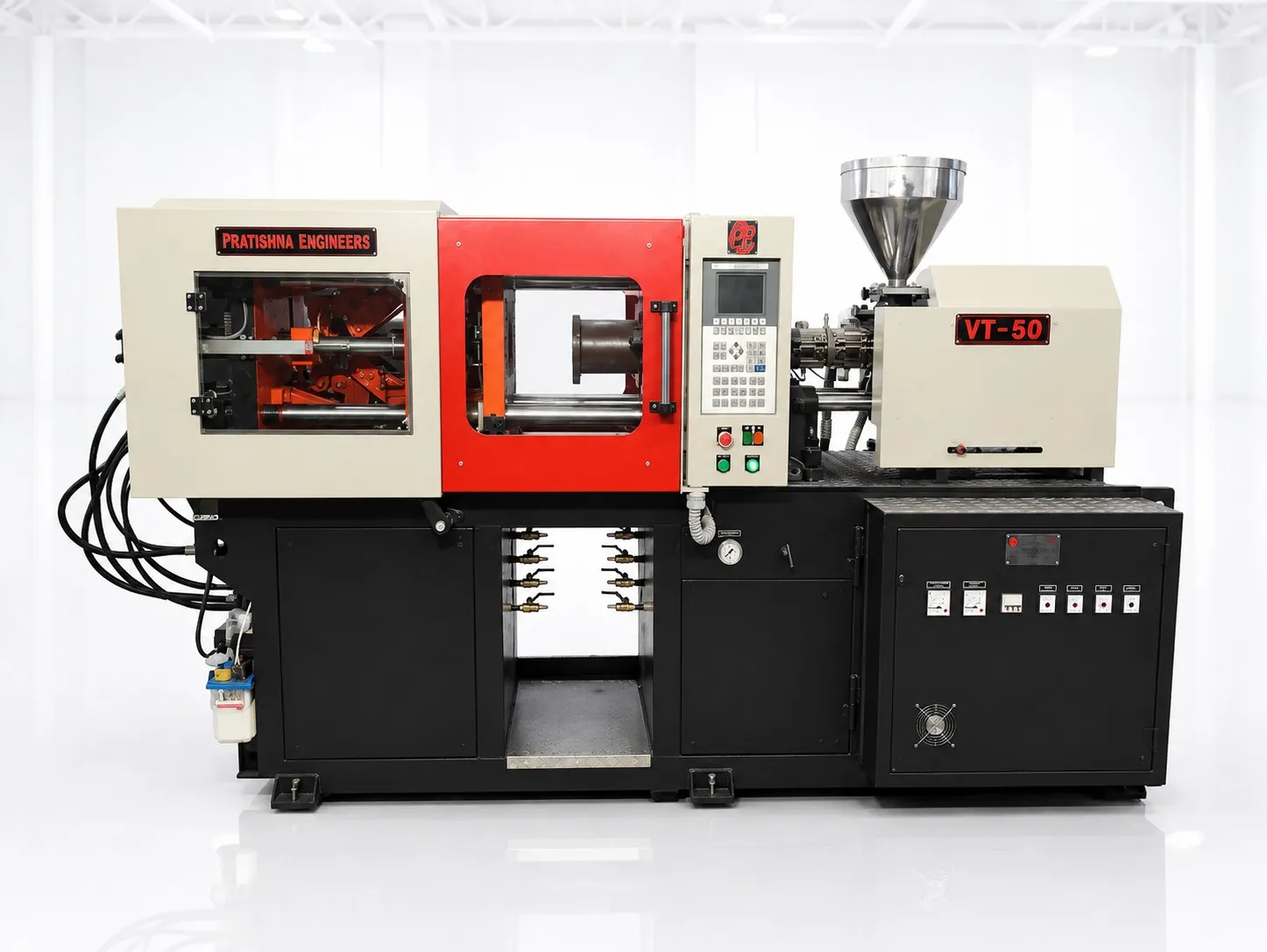
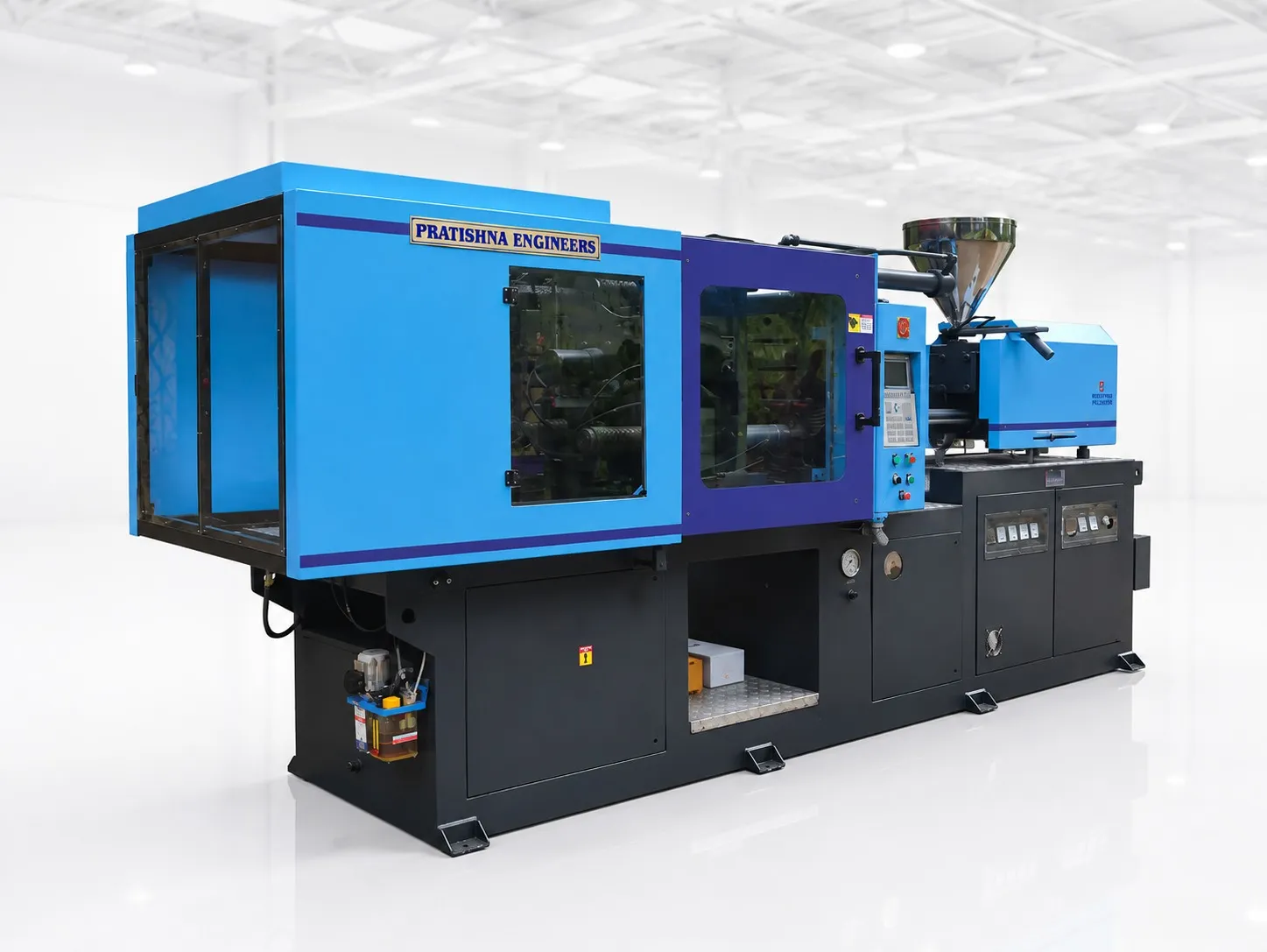
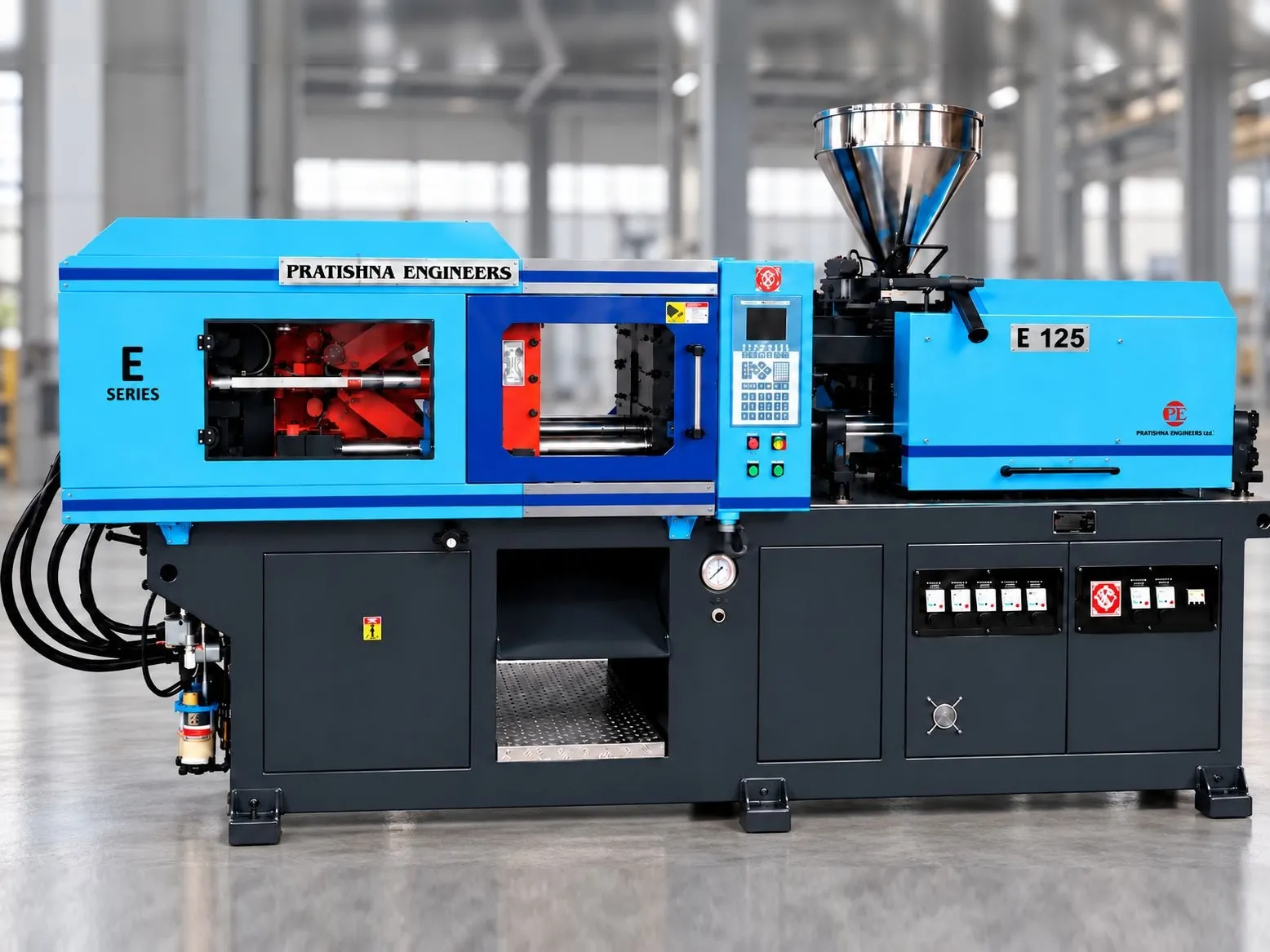
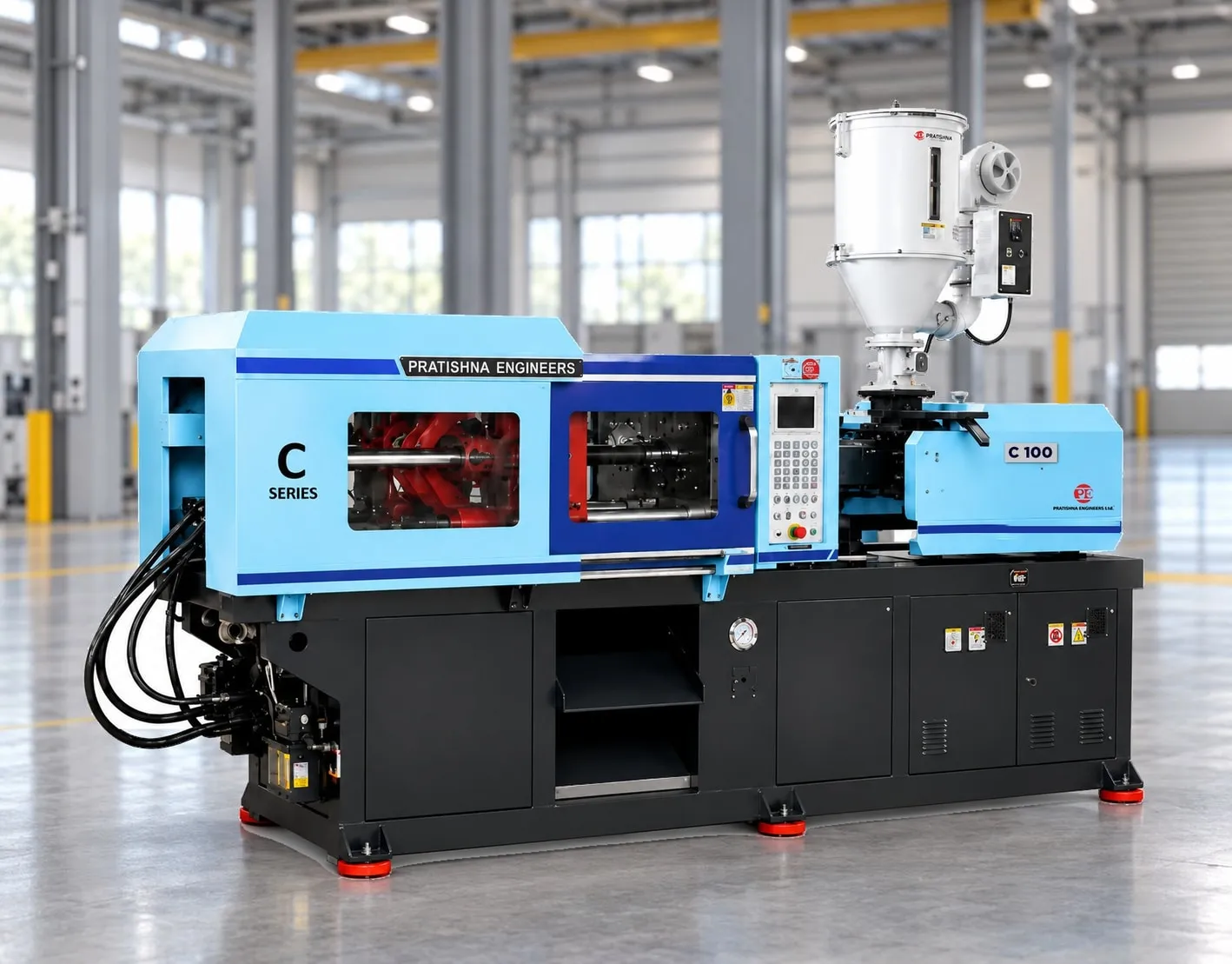
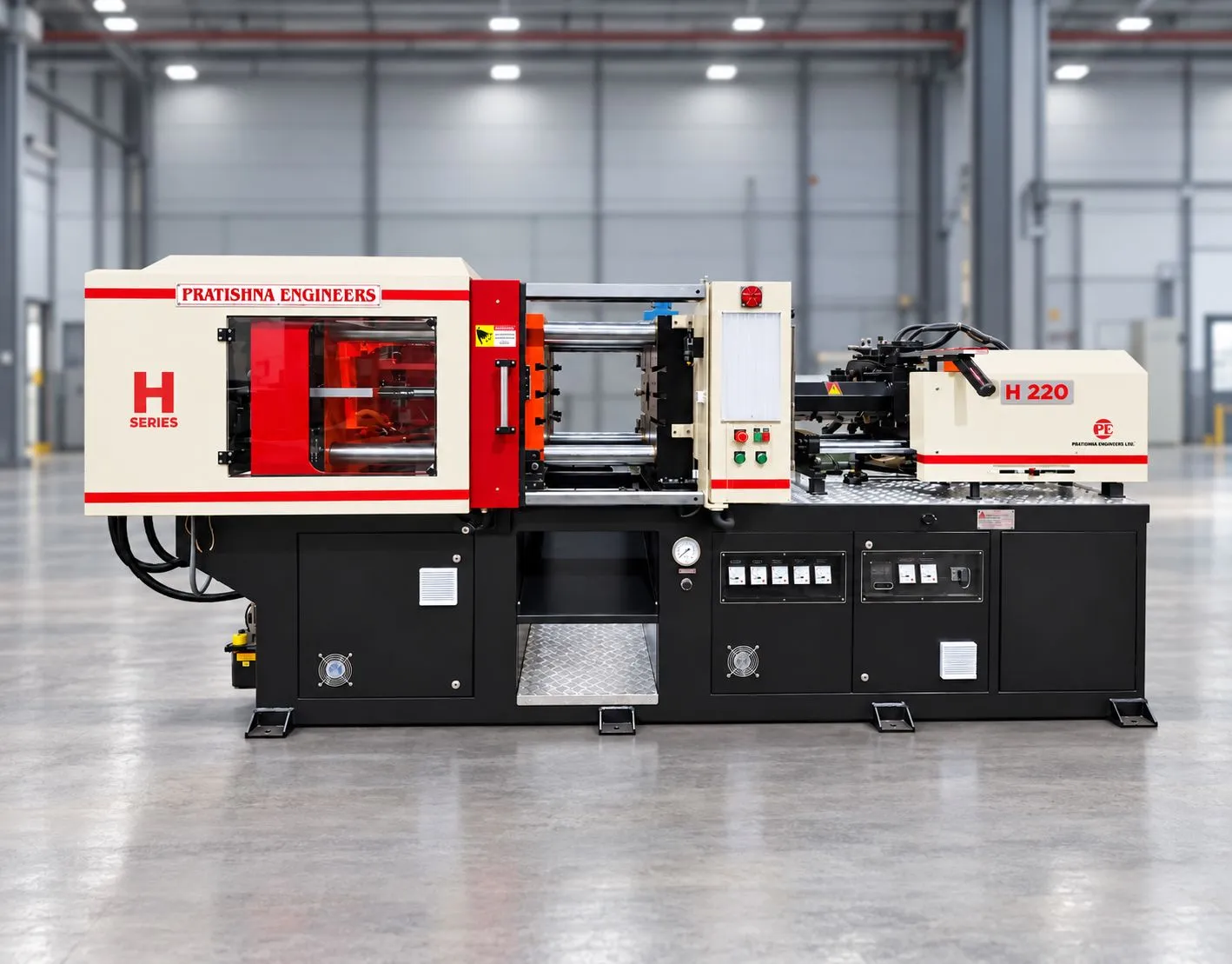
Caps and small containers in multi-cavity moulds often run on the E Series (75-180 T). Larger jars, and higher-cavity layouts with unscrewing cores, need the platen space and stroke of the C Series (140-320 T) and H Series (120-350 T). Cap and jar tools are frequently sized on different machines.
Not Sure Which Machine You Need?
Send your container and cap mould details for a machine recommendation.
Why Choose Pratishna Engineers?
- Application-Based Machine Selection
- In-House Engineering & Manufacturing
- Multiple Machine Series
- Production-Focused Solutions
- End-to-End Technical Support
- Industry-Specific Solutions
- Machine Lifecycle Support
Injection Moulding Machine Buyer Resources
Download practical resources to help you select, size and specify the right machine.
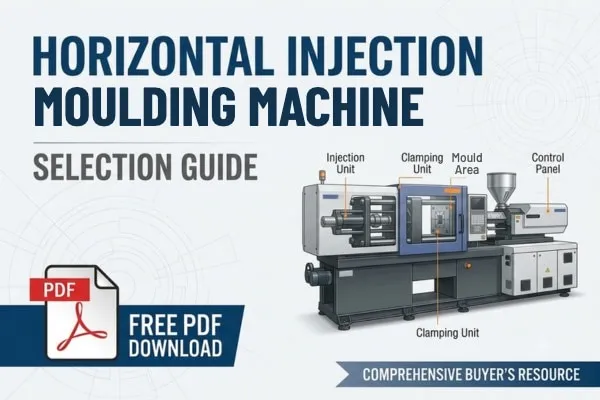
Horizontal Injection Moulding Machine Selection Guide
A step-by-step guide covering the key inputs needed to select the right machine: product weight, projected area, number of cavities, plastic material, required clamping force, shot / injection capacity, mould dimensions, production quantity, cycle time and automation requirement.
Download PDFPDF · 265 KB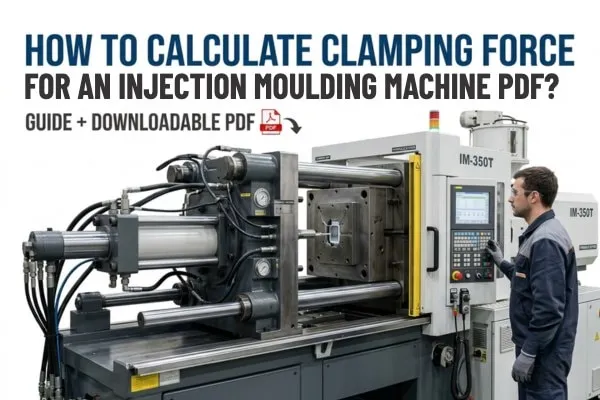
How to Calculate Clamping Force for an Injection Moulding Machine
A clear methodology that explains how clamping force is calculated, covering projected area, injection pressure, safety factor, number of cavities and material considerations.
Download PDFPDF · 363 KBMedical Sector Components & Machine Guide
A guide to Medical Sector components, covering syringes, IV set parts, luer fittings, connectors, pipette tips, petri dishes, test cassettes and device housings. It explains medical-grade materials, clean moulding area needs, dimensional control, and how to match each part to a suitable machine.
Download PDFPDF · 206 KB
FAQs / Buyer Questions
Answers to the questions sample container manufacturers raise most.
Which Injection Moulding Machine Is Used to Make Specimen and Urine Containers?
Usually a horizontal E Series machine for caps and smaller jars, moving to the C or H Series for taller containers or tools with many cavities. Jar and cap moulds often end up on different machine sizes.How Is a Leak-proof Closure Achieved?
By holding thread pitch, thread depth and the sealing face to size on both parts. Many designs add a moulded sealing bead or a liner in the cap. Flash on the bead or an oval jar mouth are the usual causes of leaks.Are Cap Threads Unscrewed or Stripped From the Mould?
PP and HDPE caps with shallow rounded threads can often be stripped off the core while warm. Deeper or sharper threads need an unscrewing mould, which adds mould height and a drive, so this is decided before the machine is chosen.
Can Graduation Marks Be Moulded Into the Container?
Yes. Raised or recessed graduations can be cut into the cavity steel, which saves a printing step. They should sit away from weld lines and need venting so the marks fill sharply. Printed graduations remain an option for PS jars.Can Pratishna Recommend a Machine for My Specimen / Urine Container?
Yes. Share the jar and cap drawings or samples, resin grade, part weights, cavities per mould, thread release method, mould dimensions and yearly quantity, and Pratishna Engineers will recommend suitable machines.Does the Machine Suit Other Sample Collection Parts Too?
Yes. Machines in the same range can produce blood collection tubes, dosing and measuring cups, pharma vial closures and droppers, with tonnage set by each tool.
Technical Disclaimer
Disclaimer: The information provided in this webpage is for general informational and educational purposes only. It is based on technical references and industry information available at the time of preparation and may be subject to change. It does not constitute engineering, technical, commercial or professional advice, nor does it constitute a quotation, specification, warranty or contractual commitment by Pratishna Engineers.
Actual injection moulding machine and process requirements vary according to the component design, material, mould, production volume, machine configuration and operating conditions. The information, examples, calculations and recommendations provided should be independently evaluated and verified for the specific application before making any equipment, process or production decision. Information obtained from third-party sources remains subject to the accuracy and limitations of those sources.
Limitation of Liability: Pratishna Engineers makes no representation or warranty, express or implied, regarding the completeness, accuracy or suitability of the information for any particular application. To the extent permitted by applicable law, Pratishna Engineers shall not be liable for any loss, damage, cost or consequence arising from reliance on or use of the information contained in this webpage. Final machine selection, configuration and application suitability should be confirmed with Pratishna Engineers based on complete and accurate project requirements.
Talk to Our Engineers
Planning a New Injection Moulding Project?
Share your component, material, mould and production target. Our engineering team will help you identify the right machine configuration.
- Machine Sales
- +91 99690 38542
- Service Support
- +91 97689 28259
- Sales Email
- [email protected]