
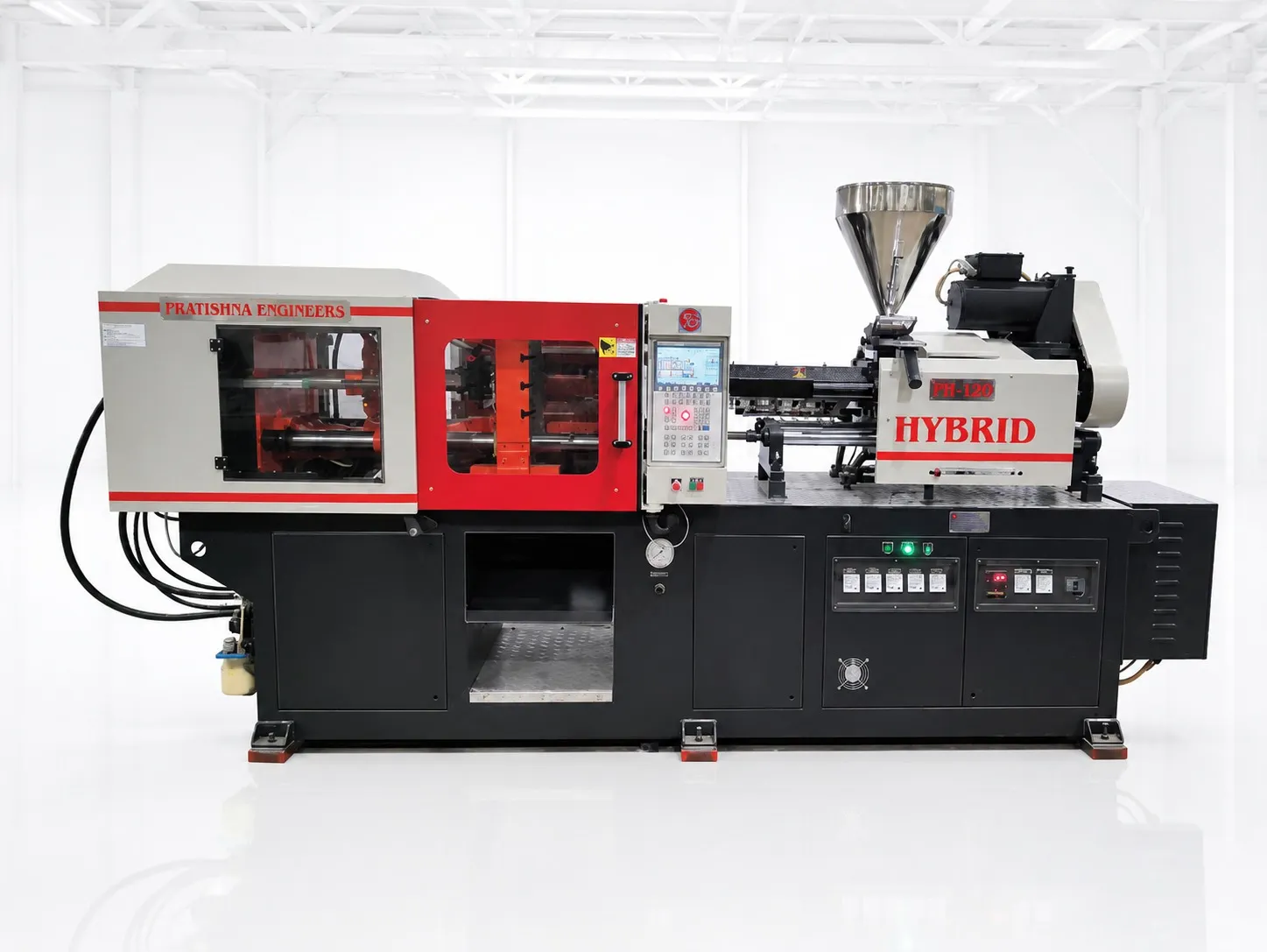
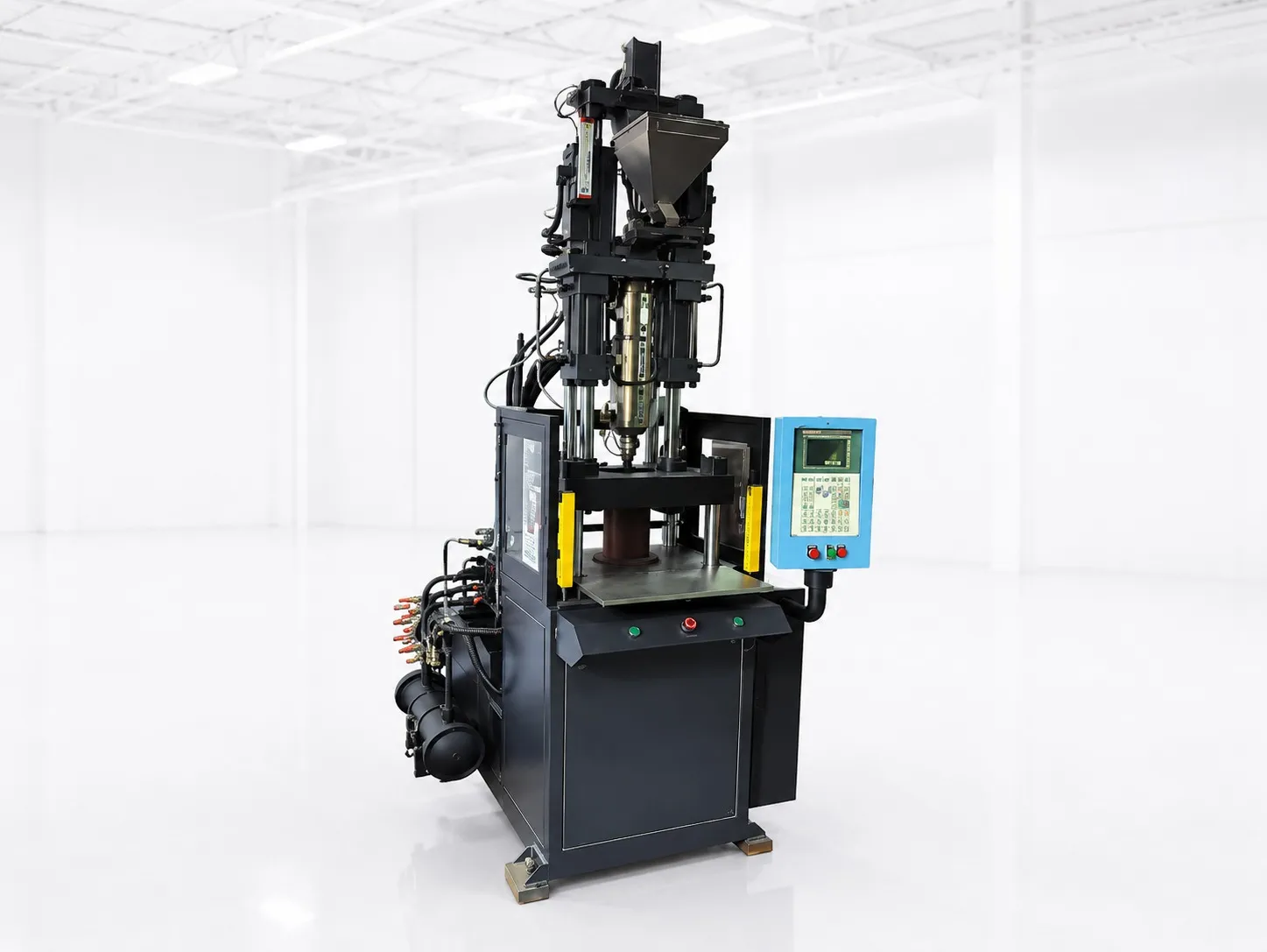
Injection Moulding Machine for Medical Device Housings
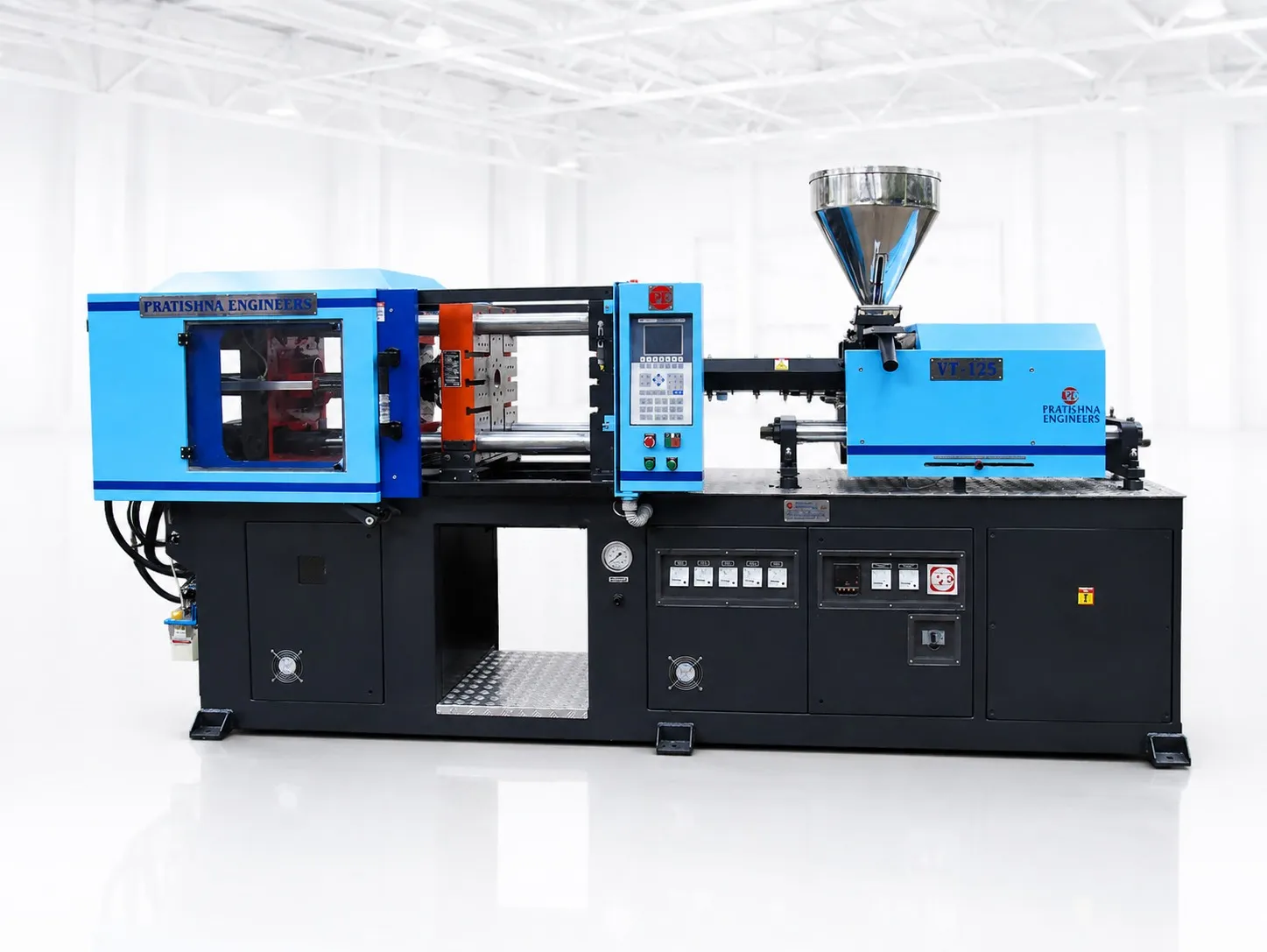
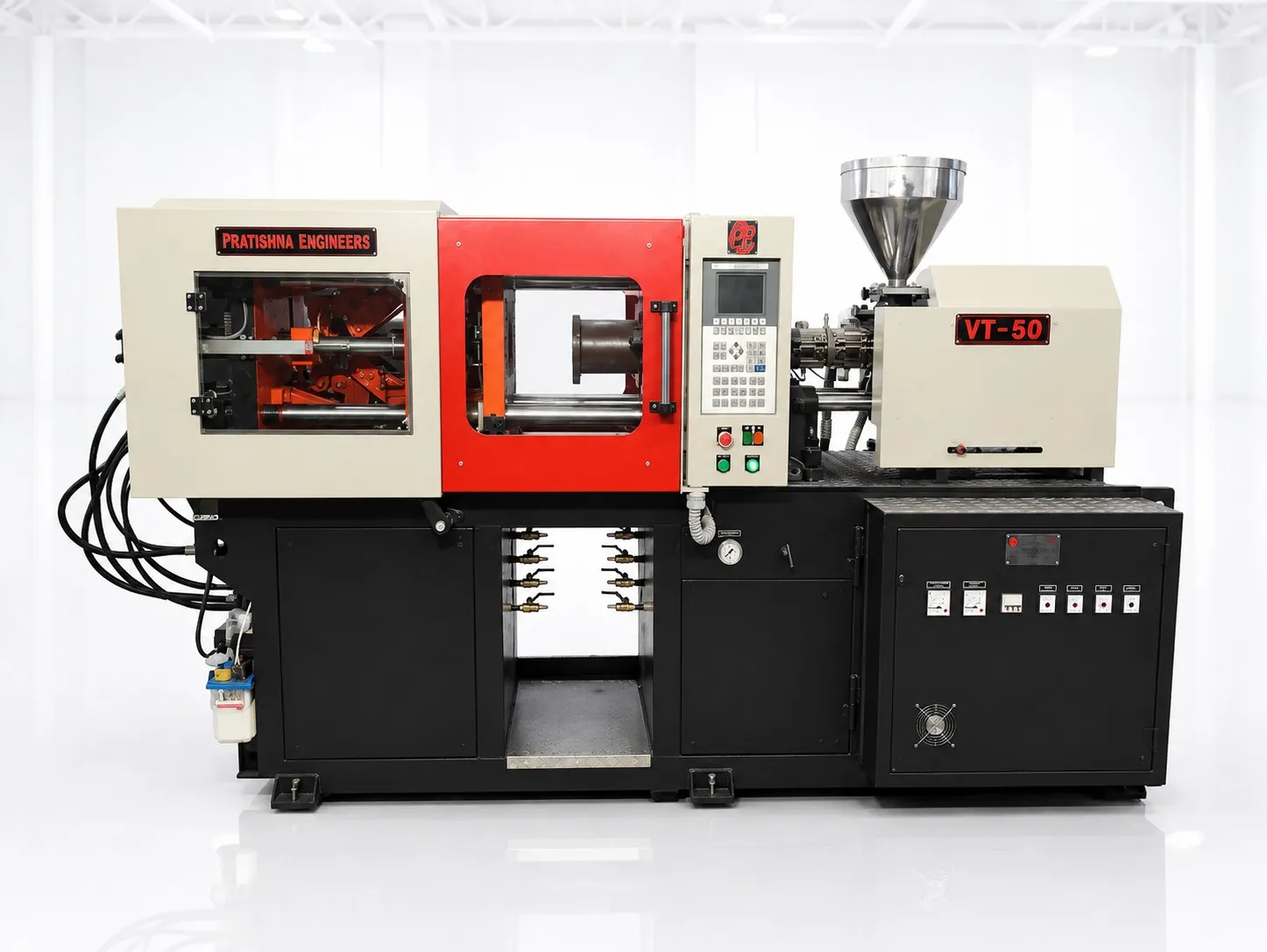
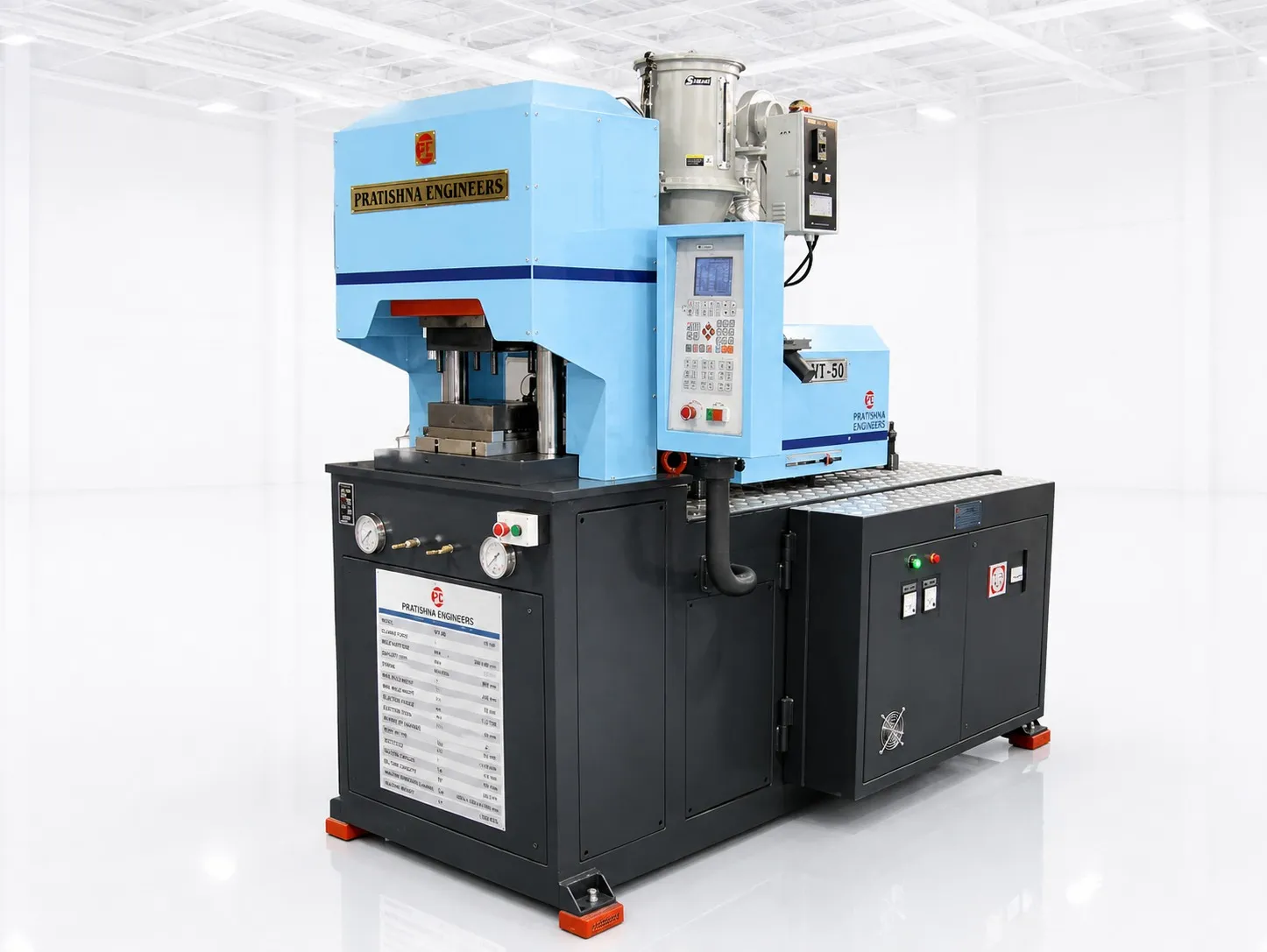
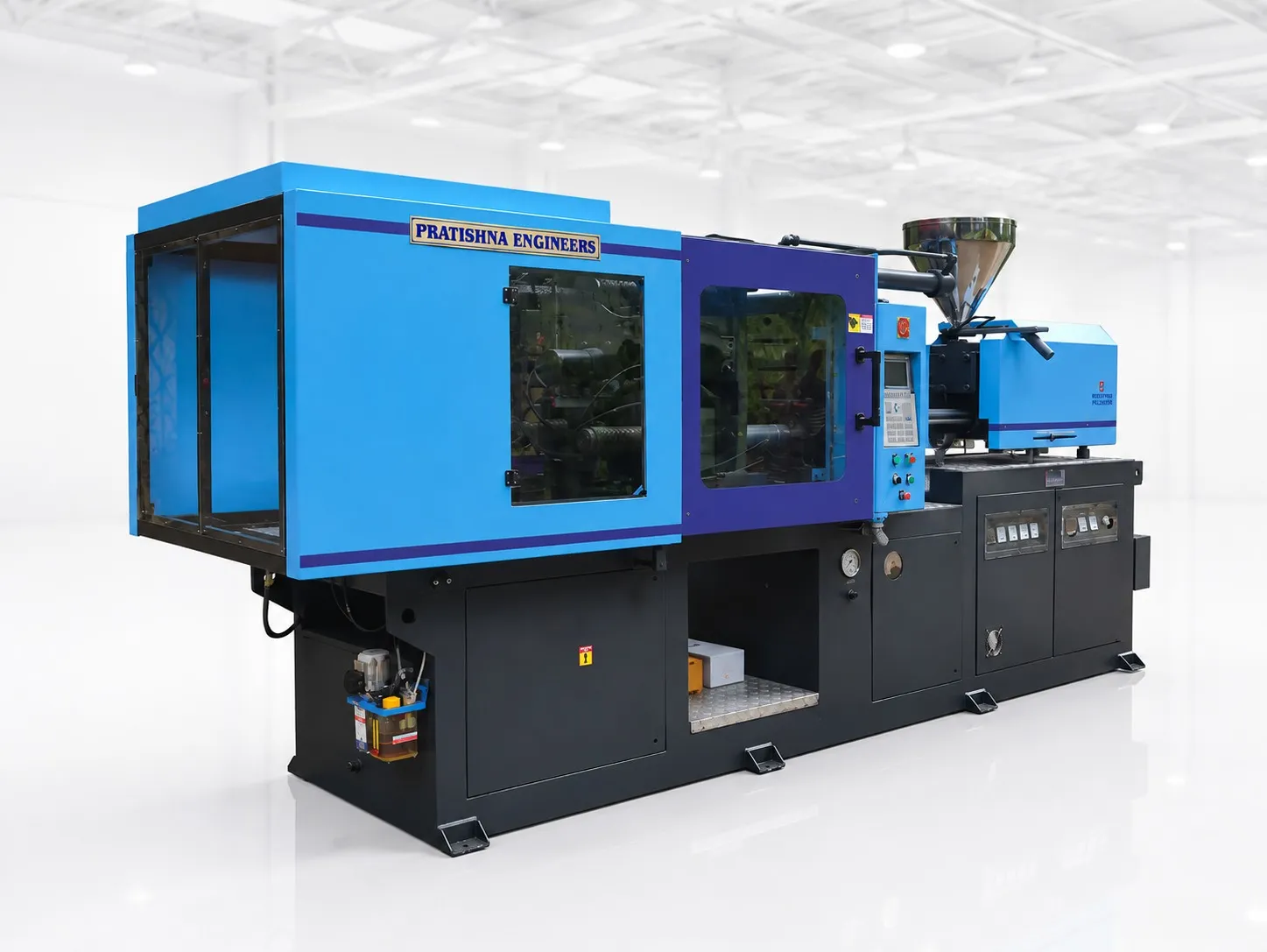
Medical device housings are made on horizontal injection moulding machines from PC, PC/ABS or ABS, with front and rear halves in separate or family moulds. Machine size is set by the projected area of the larger half, shot weight against barrel capacity and mould height for deep walls. Low moulded-in stress matters most, because disinfectant wipes crack stressed polycarbonate.
For housings, selection looks at steady holding pressure, mould temperature control and a clamp that suits the largest half. Pratishna Engineers supplies horizontal injection moulding machines for device enclosures and can recommend a set-up, with any clean moulding area specified by the device maker.
Moulding Medical Device Housings?
Share your housing drawings, resin grade and yearly volume, and Pratishna Engineers will suggest a suitable machine and quotation.
Machine Requirements for Medical Device Housing Moulding
Device housings are cosmetic enclosures that must also survive years of cleaning. Selection usually turns on these points:
- Dried PC and PC/ABS to avoid splay on visible faces
- Low moulded-in stress against cracking from disinfectant wipes
- Packed screw bosses without sink on the outer face
- Weld lines kept away from display windows and button holes
- Mould height and opening stroke for deep housing walls
- Steady mould temperature for even texture and gloss
Recommended Machine for Medical Device Housings
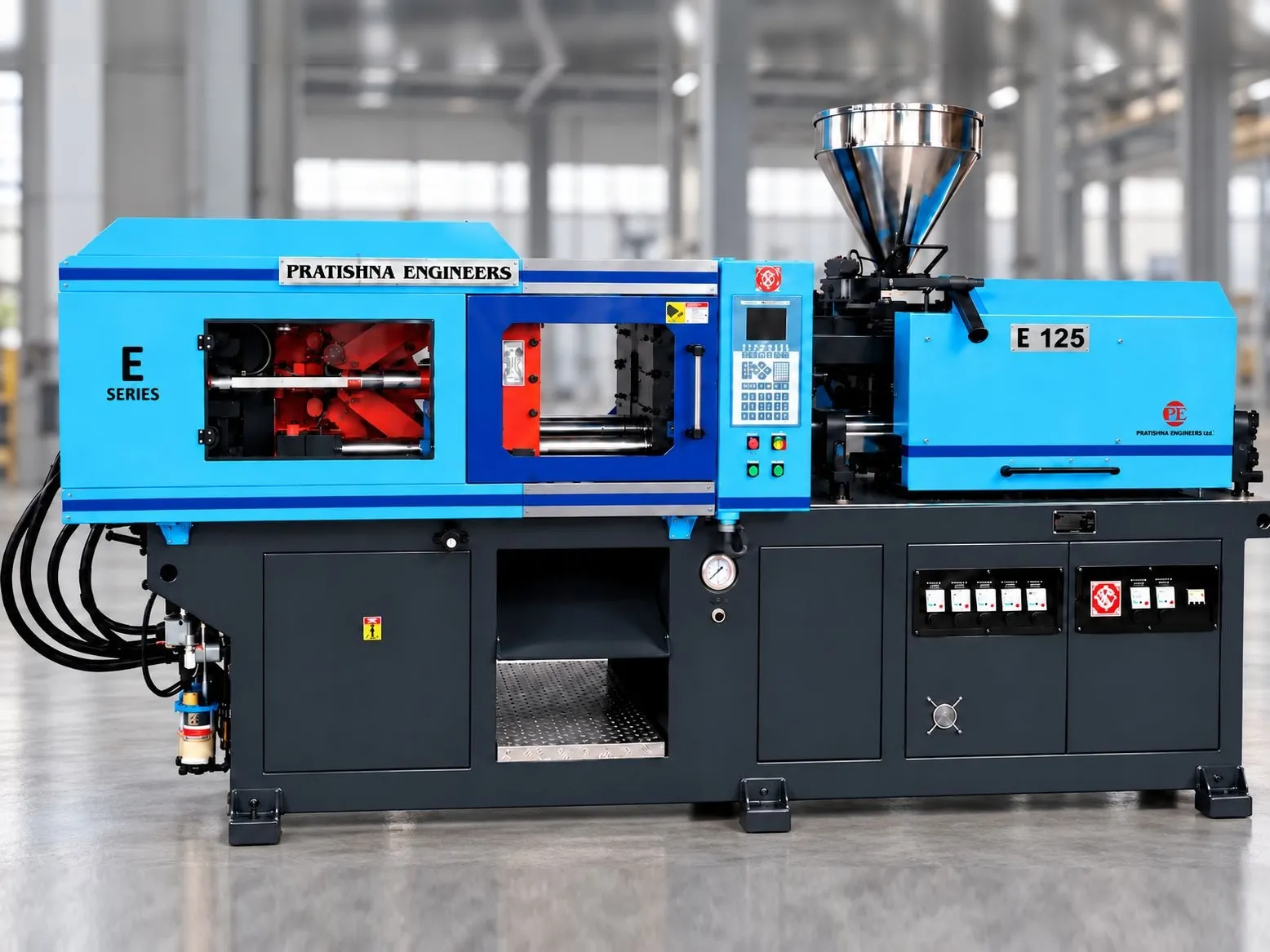
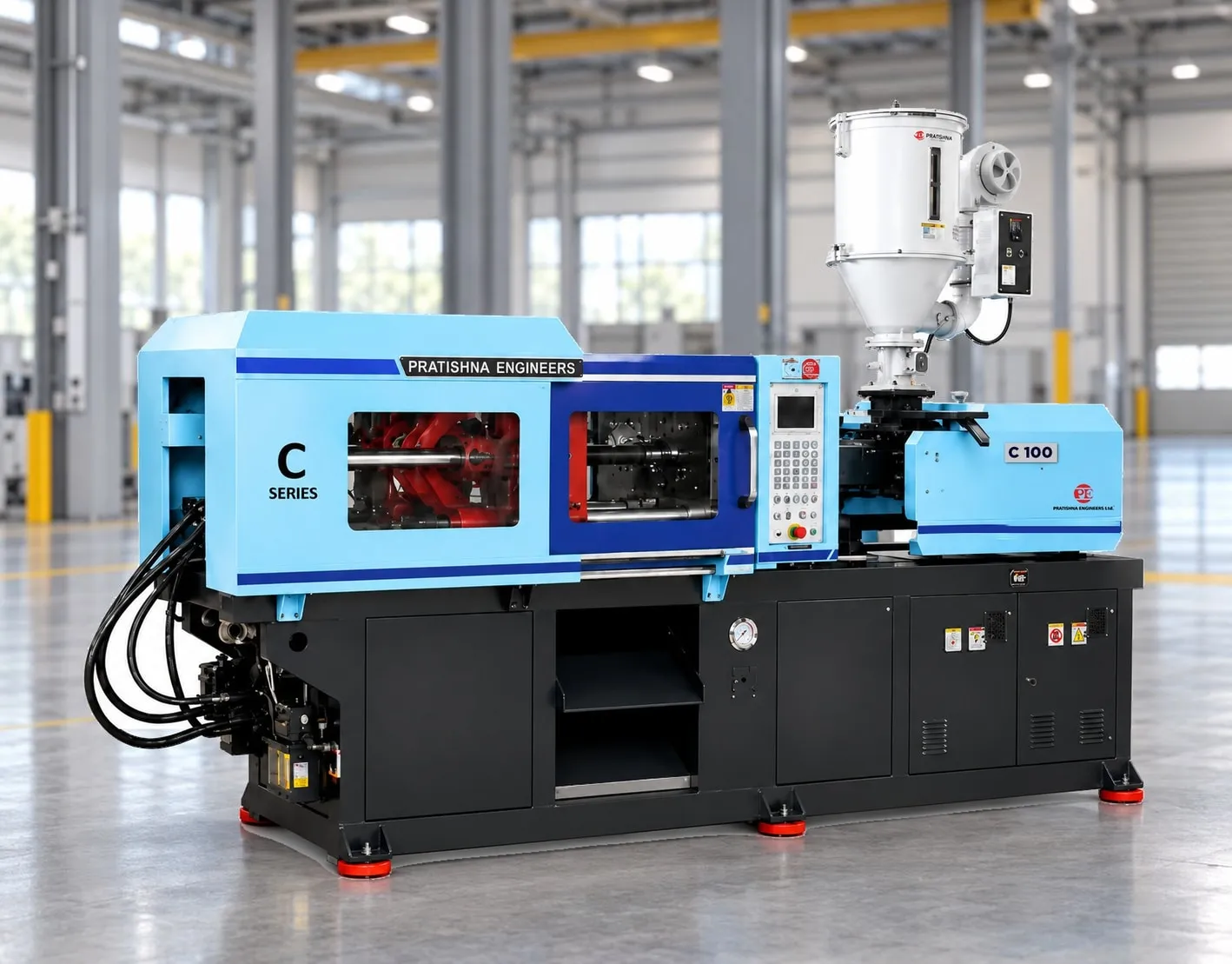
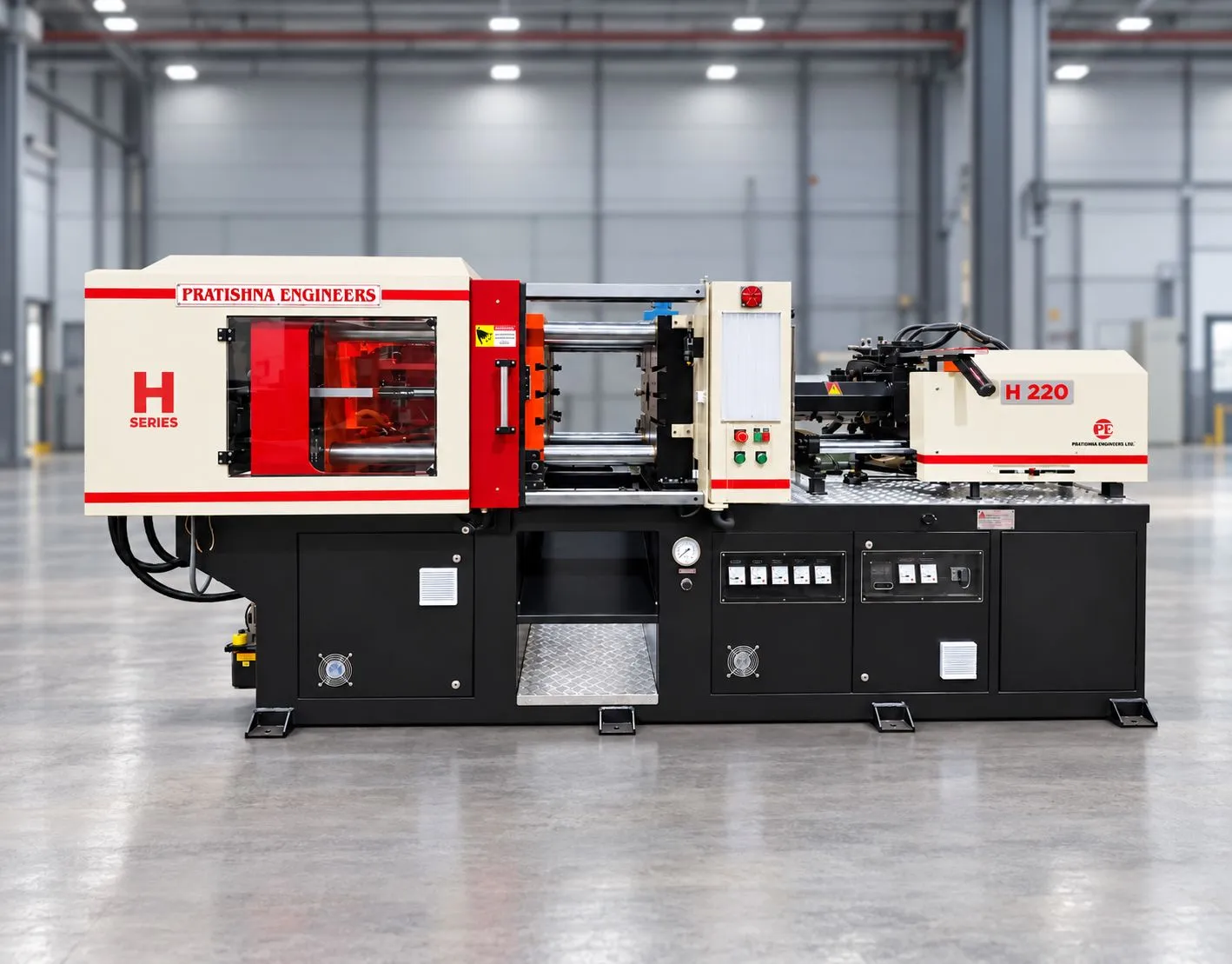
Handheld monitor and meter housings are small to medium mouldings and often run on the E Series (75-180 T). Bench instrument covers, larger front panels and family moulds carrying both halves need more clamp and platen space, which points to the C Series (140-320 T) or H Series (120-350 T).
Not Sure Which Machine You Need?
Send your housing halves and mould size for a machine recommendation.
Why Choose Pratishna Engineers?
- Application-Based Machine Selection
- In-House Engineering & Manufacturing
- Multiple Machine Series
- Production-Focused Solutions
- End-to-End Technical Support
- Industry-Specific Solutions
- Machine Lifecycle Support
Injection Moulding Machine Buyer Resources
Download practical resources to help you select, size and specify the right machine.
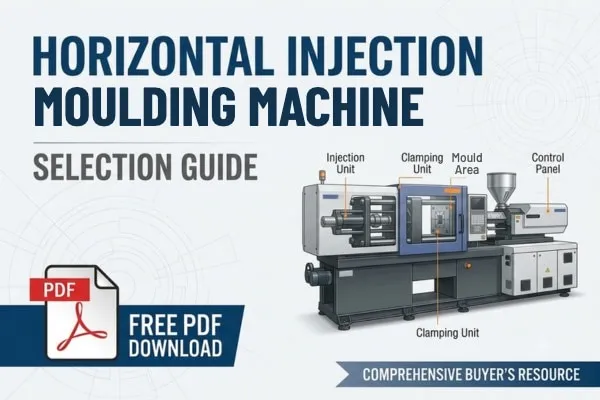
Horizontal Injection Moulding Machine Selection Guide
A step-by-step guide covering the key inputs needed to select the right machine: product weight, projected area, number of cavities, plastic material, required clamping force, shot / injection capacity, mould dimensions, production quantity, cycle time and automation requirement.
Download PDFPDF · 265 KB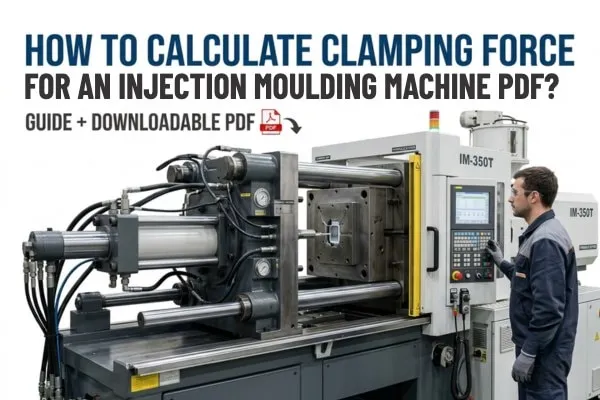
How to Calculate Clamping Force for an Injection Moulding Machine
A clear methodology that explains how clamping force is calculated, covering projected area, injection pressure, safety factor, number of cavities and material considerations.
Download PDFPDF · 363 KBMedical Sector Components & Machine Guide
A guide to Medical Sector components, covering syringes, IV set parts, luer fittings, connectors, pipette tips, petri dishes, test cassettes and device housings. It explains medical-grade materials, clean moulding area needs, dimensional control, and how to match each part to a suitable machine.
Download PDFPDF · 206 KB
FAQs / Buyer Questions
Questions device makers and their moulders raise when they plan housing production.
Which Injection Moulding Machine Is Used to Make Medical Device Housings?
A horizontal machine sized to the larger housing half. Small handheld covers usually sit in the E Series, while instrument enclosures and two-half family tools move up to the C or H Series depending on mould size.Why Do PC Housings Crack After Cleaning?
Polycarbonate holds stress from high holding pressure, a cold mould or tight snap-fits. Alcohol and disinfectant wipes then open fine cracks around bosses and clips. Lower packing, a warmer mould and generous radii reduce it, and PC/ABS blends can resist chemicals better.Does PC Need Drying Before Moulding?
Yes. PC and PC/ABS absorb moisture, which shows as silver streaks and lowers impact strength. Resin goes through a dryer before the hopper, and residence time in the barrel is kept short to avoid yellowing on light grey or white housings.
Can Metal Inserts Be Moulded Into Device Housings?
Threaded brass inserts can be loaded into the mould before injection or pressed in after moulding with heat or ultrasonics. Moulded-in inserts add a loading step and slow the cycle, so many moulders fit them after ejection.Can Pratishna Recommend a Machine for My Medical Device Housing?
Yes. Share the housing drawings or samples, resin grade, weight of each half, mould dimensions, whether both halves share one mould and the yearly quantity, and Pratishna Engineers will suggest a suitable machine.Does the Machine Suit Other Medical Equipment Parts Too?
Yes. A machine in this class can also mould test kit housings, internal mechanism parts and levers, diagnostic test cassettes and medication trays, subject to the mould and material.
Technical Disclaimer
Disclaimer: The information provided in this webpage is for general informational and educational purposes only. It is based on technical references and industry information available at the time of preparation and may be subject to change. It does not constitute engineering, technical, commercial or professional advice, nor does it constitute a quotation, specification, warranty or contractual commitment by Pratishna Engineers.
Actual injection moulding machine and process requirements vary according to the component design, material, mould, production volume, machine configuration and operating conditions. The information, examples, calculations and recommendations provided should be independently evaluated and verified for the specific application before making any equipment, process or production decision. Information obtained from third-party sources remains subject to the accuracy and limitations of those sources.
Limitation of Liability: Pratishna Engineers makes no representation or warranty, express or implied, regarding the completeness, accuracy or suitability of the information for any particular application. To the extent permitted by applicable law, Pratishna Engineers shall not be liable for any loss, damage, cost or consequence arising from reliance on or use of the information contained in this webpage. Final machine selection, configuration and application suitability should be confirmed with Pratishna Engineers based on complete and accurate project requirements.
Talk to Our Engineers
Planning a New Injection Moulding Project?
Share your component, material, mould and production target. Our engineering team will help you identify the right machine configuration.
- Machine Sales
- +91 99690 38542
- Service Support
- +91 97689 28259
- Sales Email
- [email protected]