
Injection Moulding Machine for Hair Bands and Headbands
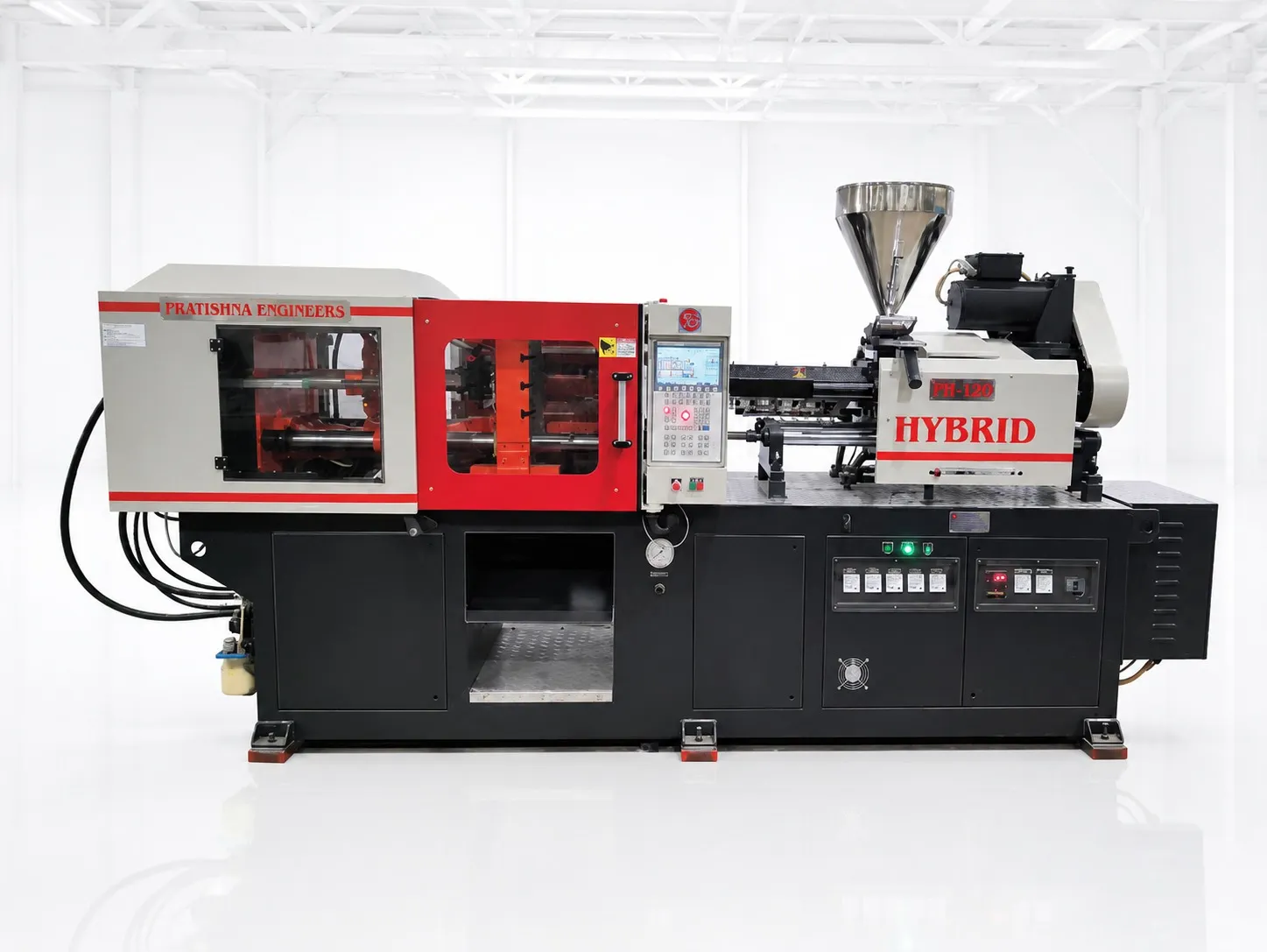
Plastic hair bands and headbands are moulded on horizontal injection moulding machines, often in multi-cavity moulds, from PP, PA6, POM and ABS. Flow length along the curved band, mould size across its spread and shot weight set the machine. Gate position matters most, because it controls warp and whether the band keeps its spring.
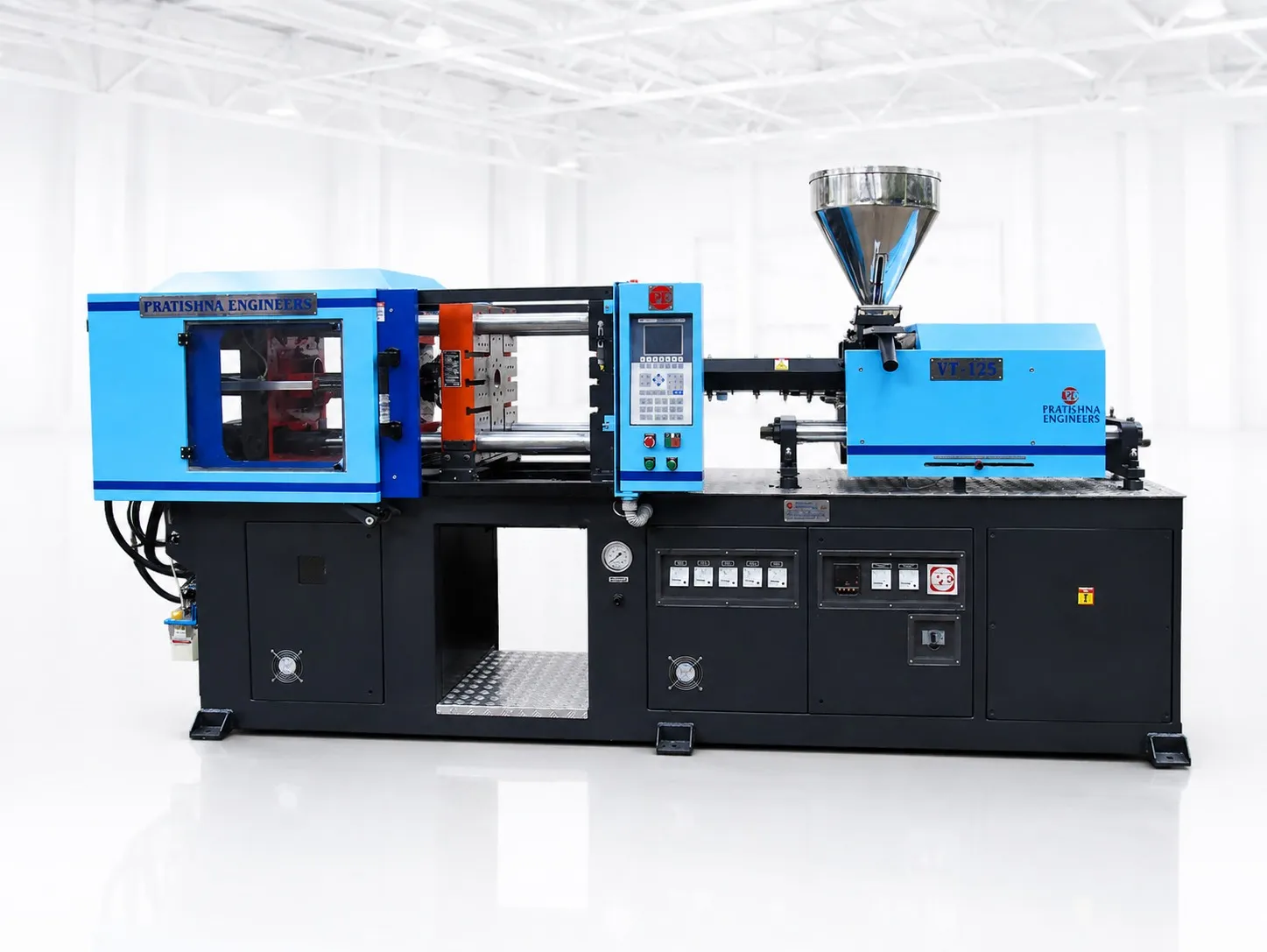
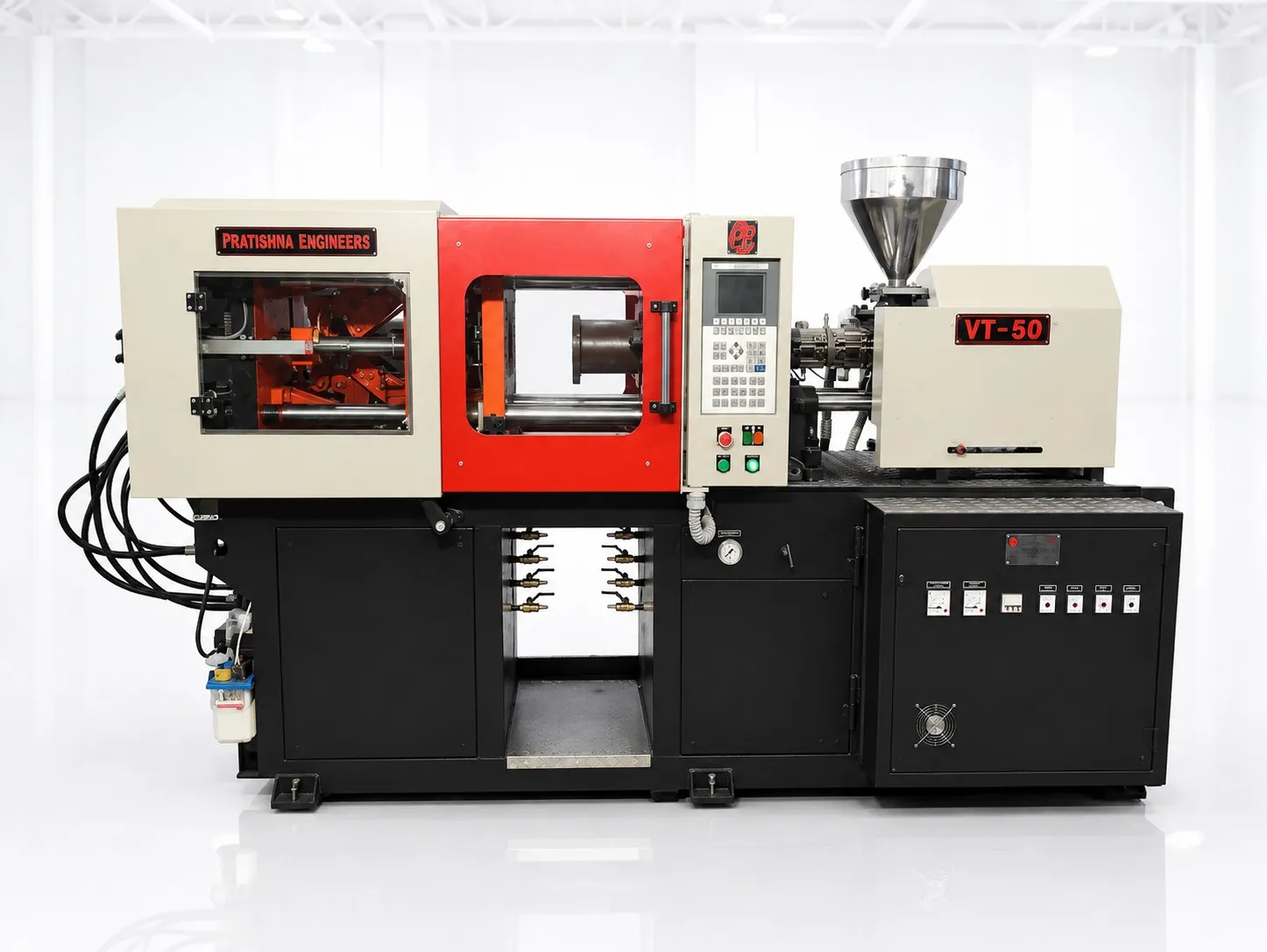
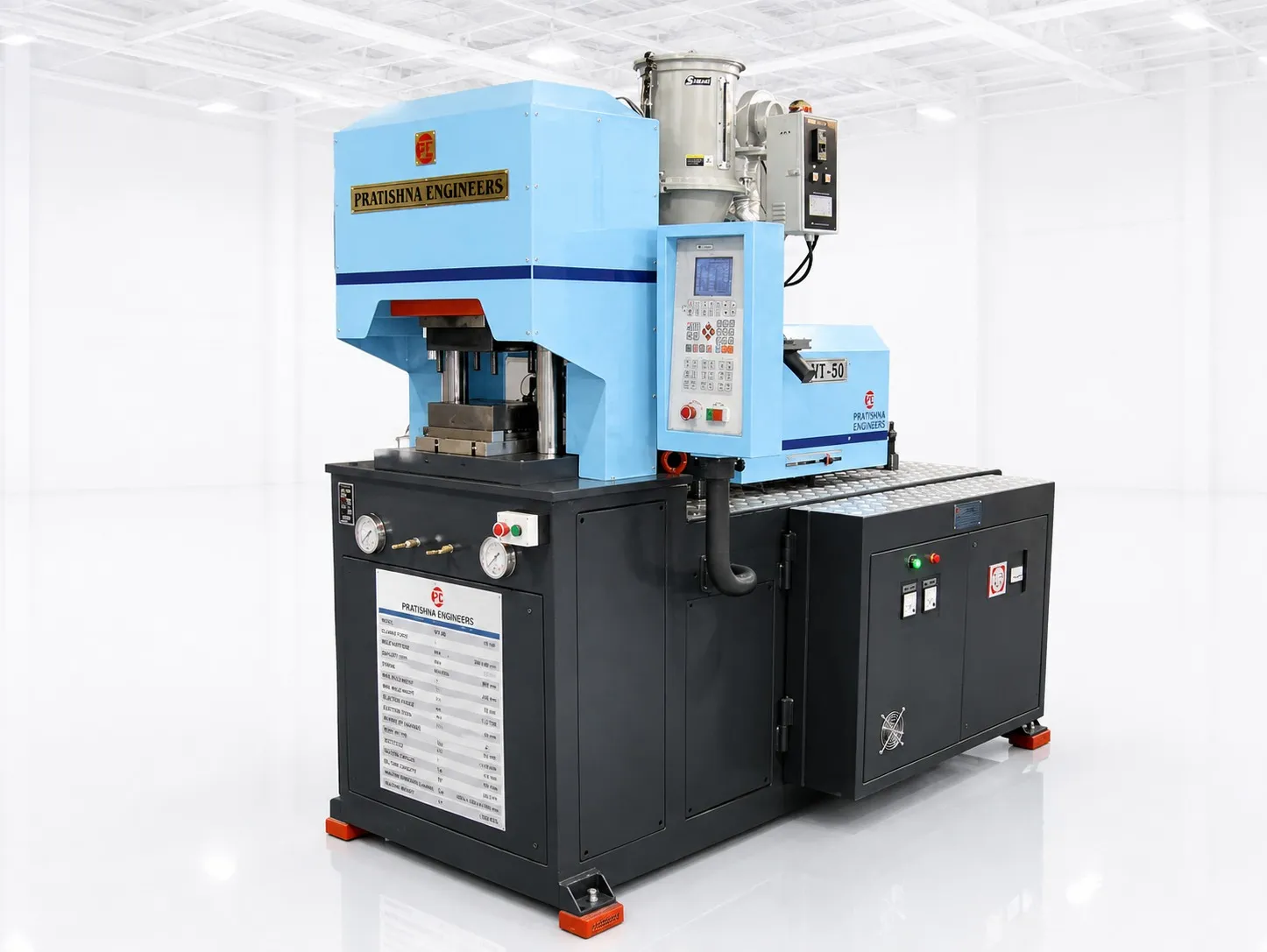
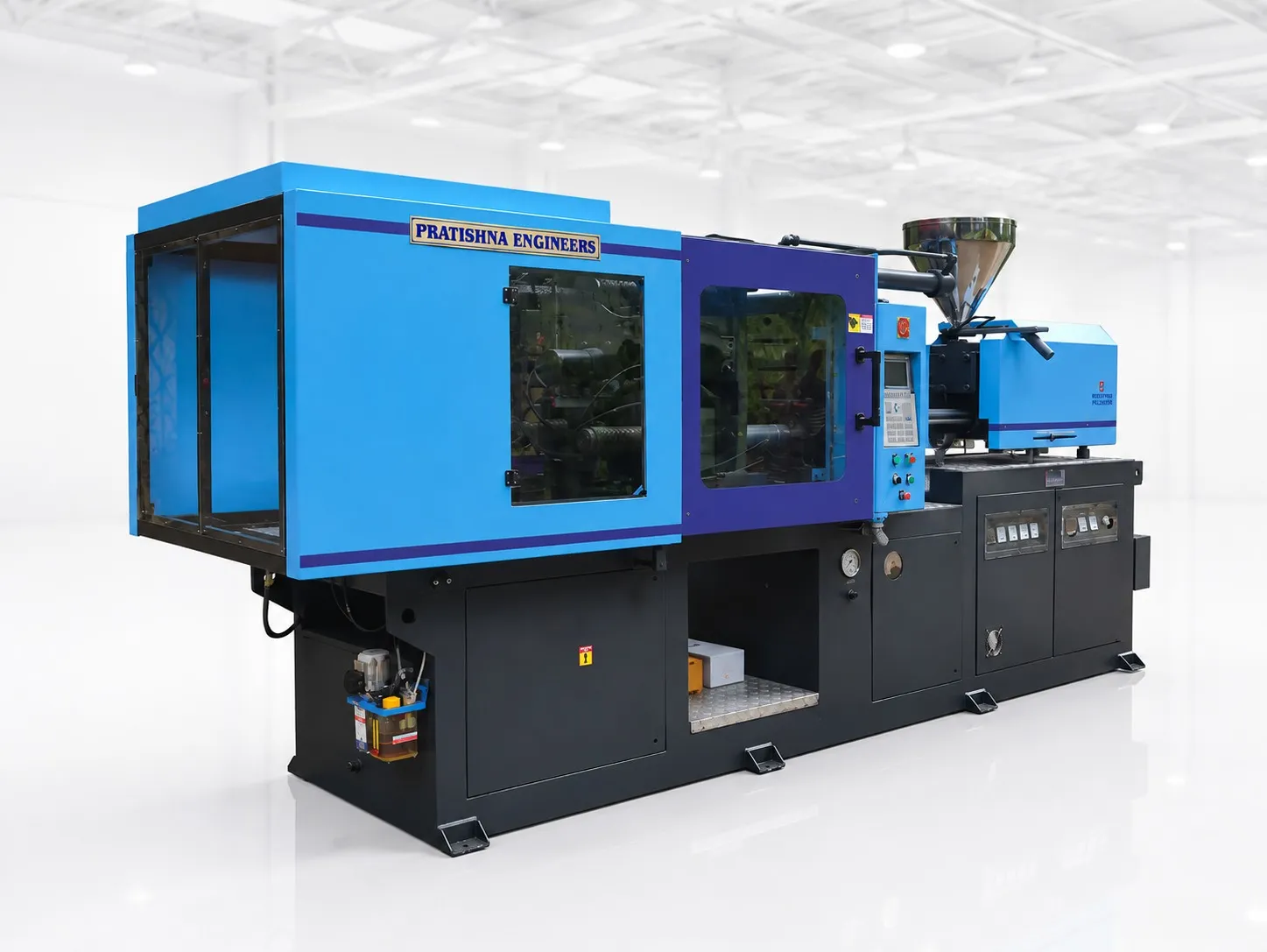
Machine selection for headbands centres on filling a long, thin section without short shots, keeping the curve true and finishing teeth cleanly. Pratishna Engineers supplies horizontal injection moulding machines for rigid plastic hair bands and headbands and can recommend a configuration.
Moulding Plastic Headbands?
Share the band drawing or sample, material and target output, and Pratishna Engineers will recommend a suitable machine.
Machine Requirements for Headband Moulding
A headband is a long, thin spring worn against the scalp, and that sets most of the moulding requirements:
- Injection speed and pressure for long, thin flow lengths
- Gating that keeps the curve true without warp
- Grade that springs back without taking a set
- Smooth, radiused teeth and inner edges with no flash
- Drying before moulding and conditioning after for PA6 bands
- Platen and tie-bar room for the band spread
Recommended Machine for Hair Bands and Headbands
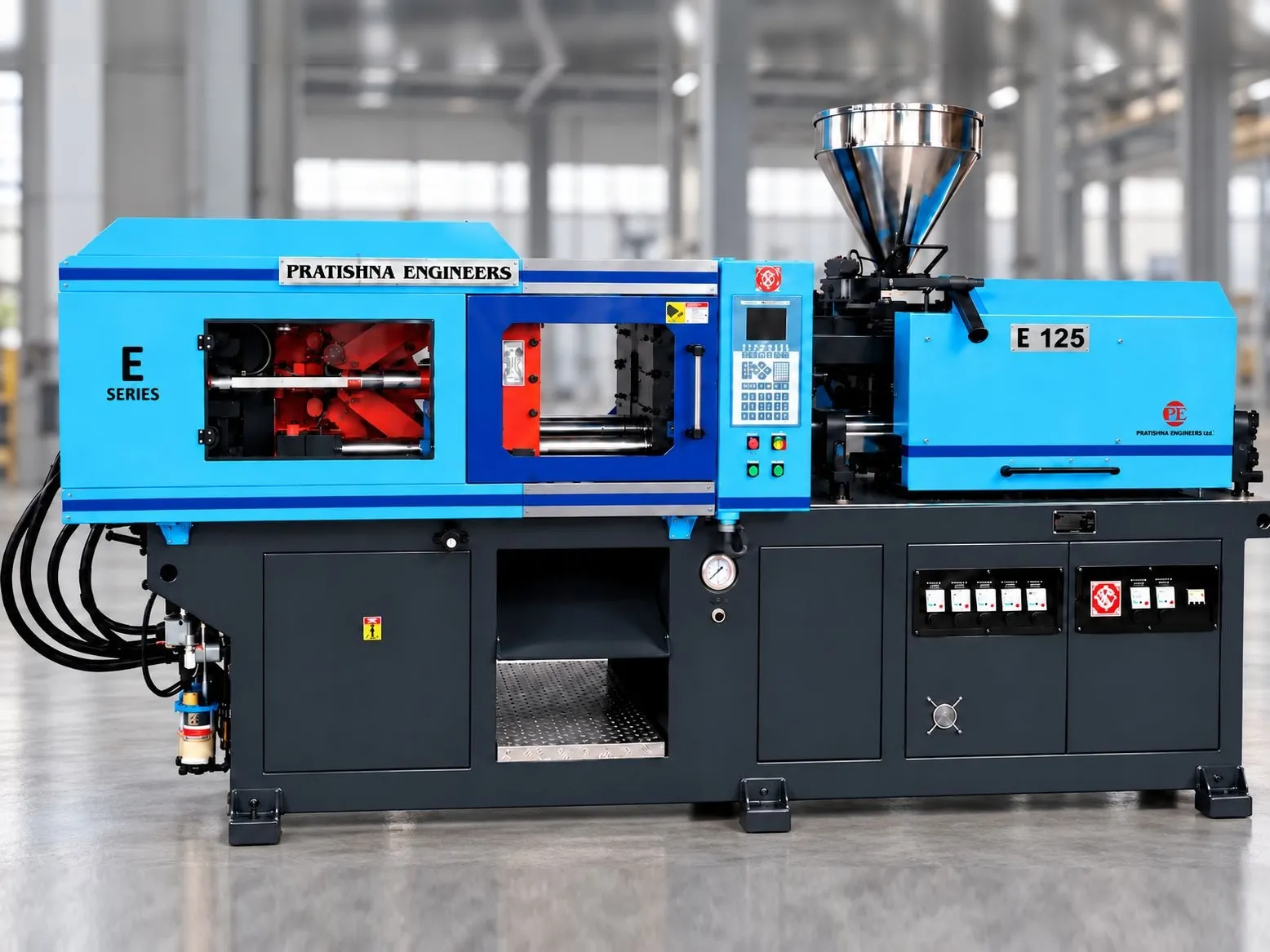
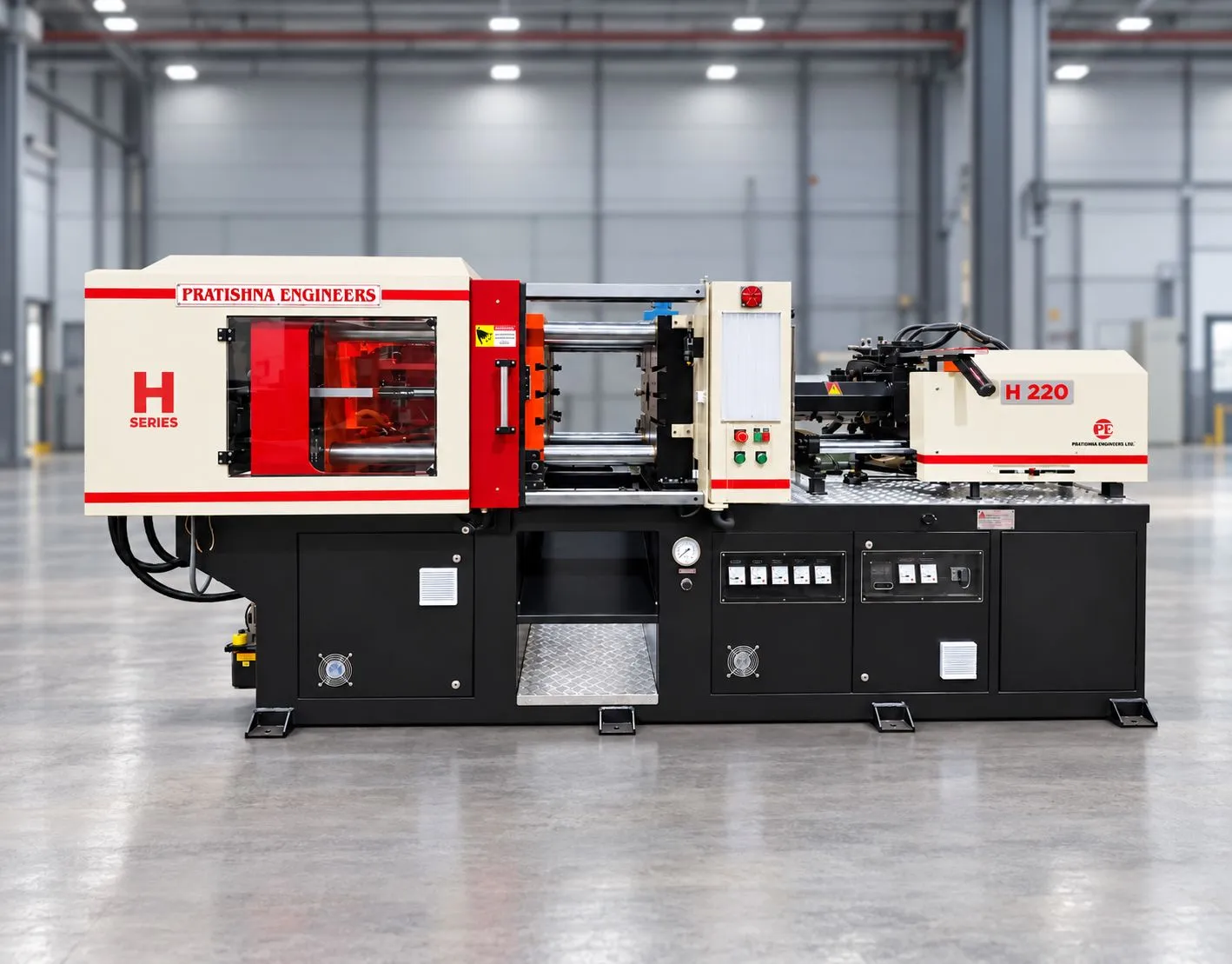
Headbands are light, but the curved spread makes the mould wide for the shot it uses. The E Series (75-180 T) suits most single and multi-cavity band moulds and small fittings. Wide bands, toothed designs in more cavities and family moulds with bigger plates suit the H Series (120-350 T), where tie-bar spacing allows the mould.
Not Sure Which Machine You Need?
Send the band spread, material and cavity plan for a machine suggestion.
Why Choose Pratishna Engineers?
- Application-Based Machine Selection
- In-House Engineering & Manufacturing
- Multiple Machine Series
- Production-Focused Solutions
- End-to-End Technical Support
- Industry-Specific Solutions
- Machine Lifecycle Support
Injection Moulding Machine Buyer Resources
Download practical resources to help you select, size and specify the right machine.
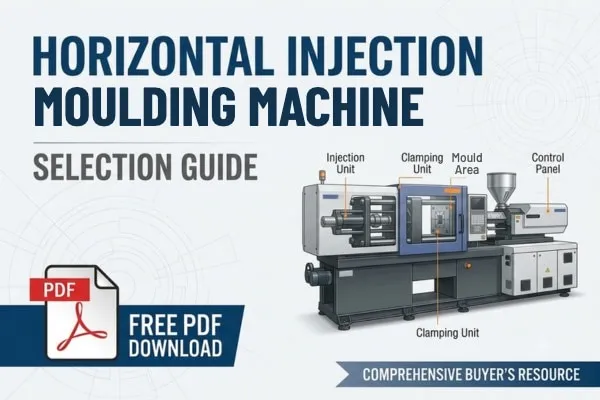
Horizontal Injection Moulding Machine Selection Guide
A step-by-step guide covering the key inputs needed to select the right machine: product weight, projected area, number of cavities, plastic material, required clamping force, shot / injection capacity, mould dimensions, production quantity, cycle time and automation requirement.
Download PDFPDF · 265 KB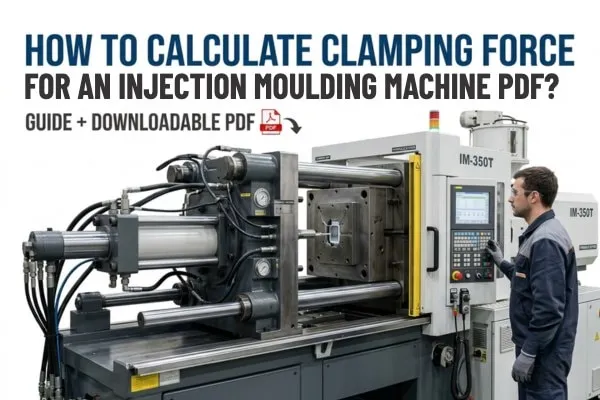
How to Calculate Clamping Force for an Injection Moulding Machine
A clear methodology that explains how clamping force is calculated, covering projected area, injection pressure, safety factor, number of cavities and material considerations.
Download PDFPDF · 363 KBCosmetics & Personal Care Components & Machine Guide
A guide to Cosmetics & Personal Care components, covering compacts, lipstick cases, cream jars, caps, pumps, combs, brushes and hair accessories. It explains cosmetic surface finish, thick-wall clear parts, precise mating components, and how to match each part to a suitable machine.
Download PDFPDF · 203 KB
FAQs / Buyer Questions
The points hair accessory makers raise most about headband moulding.
Which Injection Moulding Machine Is Used to Make Plastic Headbands?
A horizontal machine sized more by mould width than by shot weight. E Series machines handle most band moulds, and the H Series is chosen when the band spread or cavity layout needs larger platens and wider tie-bar spacing.Why Does a Headband Lose Its Grip After a Few Weeks?
The band has taken a set under repeated opening. PA6 and POM often hold their spring better than many PP grades in a stiff band. Moulded-in stress from a poor gate position or rushed cooling also shortens the band’s working life.How Are Teeth Kept From Snagging Hair?
Teeth need radiused tips and edges cut into the mould, a parting line that does not cross the tooth tips, and no flash. Any burr left after moulding catches hair, so worn parting lines should be repaired early.
Are Fabric and Acetate Headbands Injection Moulded?
No. Fabric-covered elastic ties are textile assemblies, and acetate headbands are cut from sheet and polished. Injection moulding covers rigid plastic Alice bands, toothed bands and their fittings, with TPE grip strips assembled or overmoulded in a second mould.Can Pratishna Recommend a Machine for My Headband?
Yes. Share the band drawing or sample, material, part weight, mould dimensions, number of cavities and monthly volume, and Pratishna Engineers will recommend a suitable machine.Does the Machine Suit Other Hair Accessory Parts Too?
Yes. The same machines can mould hair clips, combs, hair brush bodies and salon sectioning clips, depending on the mould.
Technical Disclaimer
Disclaimer: The information provided in this webpage is for general informational and educational purposes only. It is based on technical references and industry information available at the time of preparation and may be subject to change. It does not constitute engineering, technical, commercial or professional advice, nor does it constitute a quotation, specification, warranty or contractual commitment by Pratishna Engineers.
Actual injection moulding machine and process requirements vary according to the component design, material, mould, production volume, machine configuration and operating conditions. The information, examples, calculations and recommendations provided should be independently evaluated and verified for the specific application before making any equipment, process or production decision. Information obtained from third-party sources remains subject to the accuracy and limitations of those sources.
Limitation of Liability: Pratishna Engineers makes no representation or warranty, express or implied, regarding the completeness, accuracy or suitability of the information for any particular application. To the extent permitted by applicable law, Pratishna Engineers shall not be liable for any loss, damage, cost or consequence arising from reliance on or use of the information contained in this webpage. Final machine selection, configuration and application suitability should be confirmed with Pratishna Engineers based on complete and accurate project requirements.
Talk to Our Engineers
Planning a New Injection Moulding Project?
Share your component, material, mould and production target. Our engineering team will help you identify the right machine configuration.
- Machine Sales
- +91 99690 38542
- Service Support
- +91 97689 28259
- Sales Email
- [email protected]