
What Automotive Buyers Actually Look for in Injection Moulding Machines
When automotive manufacturers search for injection moulding machines, the requirement is very different from general plastic production.
Here, the focus is not just output — it is precision, consistency, and reliability under continuous production conditions.
Automotive buyers typically include:
- OEM vendors
- Tier 1 and Tier 2 suppliers
- component manufacturers
- export-focused units
At this stage, they are evaluating:
- dimensional accuracy
- cycle consistency
- material compatibility
- long production runs
That is why most serious buyers first review available configurations of
injection moulding machines
to understand which setups can handle automotive-grade requirements.
👉 Practical insight:
Automotive production does not tolerate variation — machine stability is more important than speed.
Why Automotive Applications Require Specialized Machine Selection
Unlike consumer products, automotive components require strict adherence to quality standards.
Key Requirements:
High Precision
Components must meet tight tolerances for proper assembly.
Consistent Cycle Time
Variation in cycle time affects:
- production planning
- component quality
- downstream processes
Material Handling Capability
Automotive parts use:
- engineering plastics
- high-temperature materials
- reinforced polymers
Long Production Runs
Machines must operate continuously with:
- minimal downtime
- stable performance
👉 Real-world observation:
Automotive production is not forgiving — even small inconsistencies create large-scale issues.
Types of Automotive Parts Produced Using Injection Moulding
Injection moulding is widely used across automotive manufacturing.
Interior Components
- dashboards
- panels
- trims
- control housings
Exterior Components
- bumpers
- grilles
- covers
Functional Parts
- connectors
- clips
- brackets
Under-the-Hood Components
- housings
- fluid system parts
Different parts require different machine configurations, which is why buyers evaluate machine capability through
industry applications
to ensure compatibility.
👉 Practical takeaway:
Automotive applications require machines tailored to specific part categories.
Machine Types Used in Automotive Injection Moulding
Machine selection depends on part type and production requirement.
Horizontal Injection Moulding Machines
These are widely used for:
- large components
- high-volume production
Automotive manufacturers commonly use
horizontal injection moulding machines
for scalability and efficiency.
Vertical Injection Moulding Machines
Used for:
- insert moulding
- electrical components
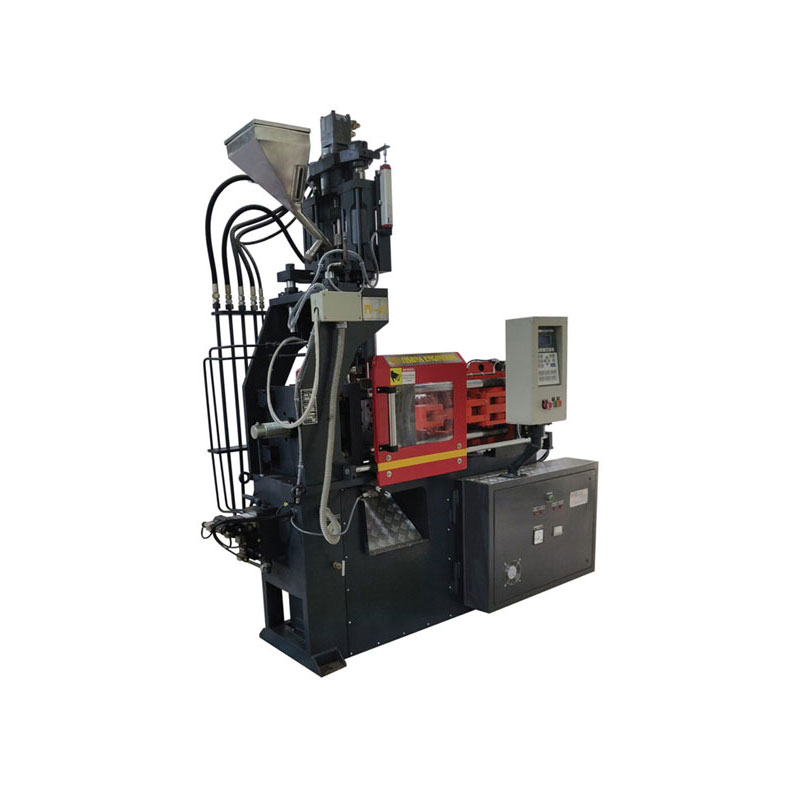
Many automotive electrical parts are produced using
vertical injection moulding machines
for better precision.
Hybrid Machines
Preferred for:
- energy efficiency
- stable operation
- long production cycles
Manufacturers aiming for cost control often evaluate
hybrid injection moulding machines
for long-term performance.
👉 Practical insight:
Machine type should be selected based on part complexity, not just production volume.
Key Challenges in Automotive Injection Moulding
Automotive manufacturing presents unique challenges.
Dimensional Accuracy Issues
Incorrect machine setup leads to:
- part mismatch
- assembly problems
Material Handling
Engineering plastics require:
- precise temperature control
- stable injection pressure
High Rejection Cost
Rejected automotive parts:
- cannot be reused easily
- increase production loss
Downtime Impact
Production stoppage affects:
- supply chain
- OEM delivery schedules
👉 Practical advice:
Automotive production requires machines that deliver repeatability, not just speed.
How to Select the Right Injection Moulding Machine for Automotive Parts
Once requirements are clear, selection becomes critical — because in automotive manufacturing, machine selection directly affects part quality, rejection rate, and OEM approval.
The correct approach is not to choose a machine based on tonnage or brand alone.
It is to match the machine with part design, material, and production cycle.
Step 1: Understand the Component Requirement
Before selecting a machine, define:
- part size and geometry
- material (ABS, Nylon, PP, reinforced polymers)
- tolerance requirement
- production volume
Without this clarity, even a high-end machine can produce inconsistent output.
Step 2: Select the Right Machine Type
For large components and continuous production, automotive manufacturers rely on
horizontal injection moulding machines
because they provide:
- better mould handling
- higher production stability
- scalability
For electrical and insert-based components,
vertical injection moulding machines
are preferred due to:
- better insert placement
- controlled injection
Step 3: Focus on Machine Stability, Not Just Speed
Automotive production requires:
- consistent cycle time
- uniform pressure
- repeatable output
👉 Practical insight:
A slightly slower but stable machine is always better than a faster but inconsistent one.
Automotive Standards and Compliance Requirements
Automotive parts must meet strict industry standards.
Common Requirements:
- dimensional accuracy
- repeatability
- traceability
- material consistency
Many OEM suppliers follow:
- IATF standards
- internal quality control systems
Machine Role in Compliance
The machine must:
- maintain stable parameters
- support repeatable cycles
- minimize variation
Buyers often evaluate real performance across
industry applications
to ensure machines meet industry expectations.
👉 Real-world observation:
Quality compliance depends heavily on machine consistency, not just mould design.
Cost vs Performance – What Automotive Buyers Must Prioritize
Automotive buyers cannot afford to focus only on machine price.
What Low-Cost Machines Often Lead To:
- inconsistent part quality
- higher rejection
- production delays
What High-Performance Machines Provide:
- stable output
- lower rejection
- better OEM acceptance
Key Cost Factors to Evaluate:
Rejection Cost
Rejected automotive parts directly impact profitability.
Downtime Cost
Machine breakdown delays supply to OEMs.
Energy Consumption
Continuous production increases electricity cost.
Machines such as
hybrid injection moulding machines
help reduce long-term operating expenses.
👉 Practical insight:
In automotive manufacturing, the cost of rejection is often higher than the cost of the machine itself.
Automation and Scalability in Automotive Manufacturing
Modern automotive production requires increasing levels of automation.
Key Automation Needs:
- robotic part removal
- conveyor integration
- automated inspection
Scalability Requirements:
- ability to increase production
- integration with additional machines
- consistent performance across units
👉 Practical takeaway:
Machines must be selected not just for current production, but for future expansion.
Why Pratishna Engineers Ltd. is a Preferred Choice for Automotive Applications
Automotive manufacturing demands reliability, precision, and long-term performance.
Pratishna Engineers Ltd. focuses on delivering application-based solutions for automotive production, not generic machine supply.
What Automotive Buyers Get:
Application-Specific Machine Selection
Machines are recommended based on:
- component type
- material
- production volume
Complete Machine Range
Buyers can evaluate:
- general
injection moulding machines - production-focused
horizontal injection moulding machines - precision
vertical injection moulding machines
Focus on Stability and Precision
- consistent cycle time
- controlled injection parameters
- reduced rejection
Reliable Support
- quick service
- spare availability
- technical guidance
👉 Practical takeaway:
Automotive buyers choose partners who ensure consistent production quality, not just machine supply.
Real Automotive Buyer Scenarios – What Actually Works on the Shop Floor
In automotive manufacturing, machine performance directly affects OEM acceptance, delivery timelines, and profitability.
Scenario 1: Price-Driven Machine Selection
A component manufacturer selected a lower-cost machine to reduce initial investment.
Issue:
- inconsistent part dimensions
- higher rejection rate
- frequent parameter adjustments
Result:
- delayed deliveries
- OEM rejection
- increased production cost
Scenario 2: Application-Based Machine Selection
Another manufacturer selected a machine based on part design and material.
Approach:
- correct tonnage selection
- stable process parameters
- proper installation support
Result:
- consistent part quality
- reduced rejection
- improved OEM approval rate
Scenario 3: Export-Focused Automotive Supplier
A Tier 2 supplier working with international buyers needed:
- consistent quality
- scalable production
- reliable machines
They evaluated machines through the
official website
and selected based on application compatibility.
Result:
- stable export quality
- reduced downtime
- better production planning
👉 Key takeaway:
In automotive manufacturing, machine selection directly affects quality approval and business continuity.
Final Checklist Before Selecting Injection Moulding Machine for Automotive Parts
Before finalizing your machine, validate every critical parameter.
Technical Fit
- machine matches mould design
- compatible with material (ABS, Nylon, reinforced plastics)
- stable injection pressure
Performance Validation
- consistent cycle time
- minimal variation
- repeatable output
Cost Evaluation
- energy consumption
- maintenance requirement
- rejection cost
Support and Reliability
- service response time
- spare parts availability
- technical assistance
👉 Practical advice:
Automotive buyers should evaluate machines based on repeatability and stability, not just speed or price.
Master Technical Data Sheet for Automotive Injection Moulding Machines
| Parameter | Typical Range | Production Impact | Buyer Focus |
|---|---|---|---|
| Clamping Force | 100T – 1000T+ | Mould holding | Match automotive mould size |
| Injection Pressure | High precision required | Filling accuracy | Critical for tight tolerance |
| Shot Capacity | Application-based | Part size | Align with design |
| Cycle Time | 5–40 sec | Output | Must remain consistent |
| Power Consumption | High (continuous use) | Cost | Energy-efficient preferred |
| Machine Type | Hydraulic / Hybrid | Efficiency | Stability is key |
| Control System | Advanced PLC | Repeatability | Essential for automotive |
| Cooling System | Integrated | Stability | Impacts cycle consistency |
| Material Compatibility | ABS, Nylon, PP, reinforced | Quality | Must be precise |
| Automation Support | High | Productivity | Required for OEM supply |
👉 Practical insight:
Automotive machines must deliver precision + repeatability + long-term stability.
When Should You Upgrade Your Automotive Injection Moulding Machine
Automotive manufacturers should upgrade when:
- rejection rate increases
- production demand grows
- energy cost becomes high
- machine stability reduces
Many manufacturers move toward
hybrid injection moulding machines
to improve efficiency and reduce operating cost.
👉 Real-world observation:
Upgrading at the right time improves both production quality and profitability.
Frequently Asked Questions (Voice + Automotive Buyer Intent)
Which injection moulding machine is best for automotive parts?
A machine that offers high precision, stability, and consistent cycle time.
What tonnage is required for automotive components?
Depends on part size, usually 100T to 1000T+.
Why is precision important in automotive moulding?
Because parts must fit perfectly during assembly.
What materials are used in automotive moulding?
ABS, Nylon, PP, and reinforced plastics.
What is cycle time?
Time required to produce one component.
How do I reduce rejection in automotive parts?
By selecting the right machine and maintaining stable parameters.
Are hybrid machines better for automotive use?
Yes, they provide better efficiency and stability.
Is automation required?
Yes, for consistent output and higher productivity.
What is the lifespan of these machines?
Typically 10–15 years with proper maintenance.
Can machines handle high production volumes?
Yes, if selected correctly.
What is the biggest cost factor?
Rejection and downtime.
How do I choose the right supplier?
Based on technical understanding and support.
Is energy efficiency important?
Yes, due to continuous production.
Can machines be customized?
Yes, based on application requirements.
Should I compare multiple machines?
Yes, based on performance, not just price.
Get the Right Injection Moulding Machine for Automotive Production
If you are manufacturing automotive components, your machine must deliver consistent quality, precision, and reliability — not just output.
Pratishna Engineers Ltd. supports automotive manufacturers by:
- understanding component requirements
- recommending suitable machines
- ensuring stable production performance
For detailed consultation, connect through the
contact page
to discuss your requirement.
You can also explore available machine options through
injection moulding machines
to evaluate configurations before finalizing.
👉 Final advice:
In automotive manufacturing, choose a machine that ensures quality consistency — not just production speed.